
Why Water in Oil Is So Dangerous From an early age, we learn that oil and water do not mix. While that is not exactly true in the world of lubrication, it is true to say that any degree of water in a lubricant can cause irreparable harm to both the lubricated...

Articles
Lubricant Foaming: How to Diagnose and Eliminate the Problem
What is Lubricant Foaming? Lubricant foaming is a deceptively complex phenomenon often dismissed as mere surface bubbles on top of oil reservoirs. Yet seasoned lubrication engineers and tribologists understand the critical threat foaming poses to lubricant performance...
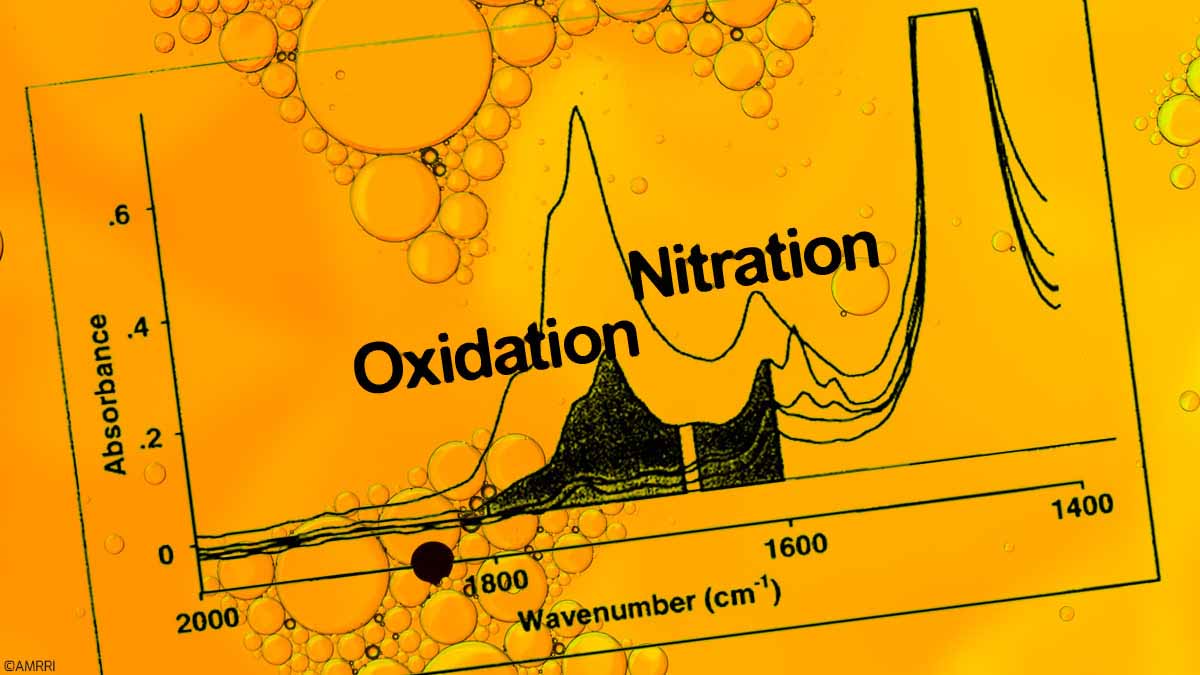
How Detecting Oxidation and Nitration Early Protects Equipment
Degradation of the lubricant circulating through your system can impact equipment performance, reliability, and lifespan. When an oil degrades, it loses its ability to properly lubricate, meaning friction increases – accelerating wear and tear on the components. This...
Turn Maintenance into a Profit Center with an EBITDA Mindset
For over 35 years, I have been at the heart of reliability, lubrication, and operational excellence. In my experience, siloed decision-making between maintenance, HSE, and procurement often results in inefficiencies, increased risks, and missed opportunities for...
Lubrication Strategies and Tips: A Must-Read for Maintenance Pros
Lubrication Strategies and Tips: How to “Kick-start” Any Lubrication Program Lubrication Strategies and Tips is a full-color practical and comprehensive quick- guide designed to help and empower lubrication, maintenance and reliability personnel to quickly navigate...
How to Turn Gearbox Contamination Control into a Competitive Advantage
At any given point, the overall contamination in a gearbox is BIG! Remember that contamination ingression is the overall amount of contaminant in the oil with: B – Built-in contamination from the unit's manufacture. I – Ingested is the “sucked in” contamination during...
Lubrication Explained: Types, Functions, and Examples
What is Lubrication? Lubrication is the process of reducing friction, wear, and heat between moving surfaces by introducing a lubricating substance, such as oil or grease.The Purpose of Lubrication If you walk into any industrial facility, you will find lubricants....
How to Detect and Address Poor Turbine Oil Demulsibility
A critical property of turbine oil is its ability to separate from water, known as its demulsibility characteristic. This property is essential for protecting turbine components from inadvertent damage to viscosity changes or corrosion. Water and oil are immiscible...
Proven Practices in Lubrication: Field Trials Not Required
The success of oil mist lubrication on a scale ranging from just one machine to 30 plant-wide oil mist systems serving 2,000 or more machines at a single site has been a matter of record since the mid-1960s. Oil mist lubrication is a fully proven and superbly reliable...
How to Improve Maintenance Inspection Accuracy with Affordable Technology
A saying warns, "There are none so blind as those who do not see." That adage has both literal and metaphoric meanings regarding maintenance inspections. It's no secret that visual acuity deteriorates as we get older. According to the Illuminating Engineering Society...