


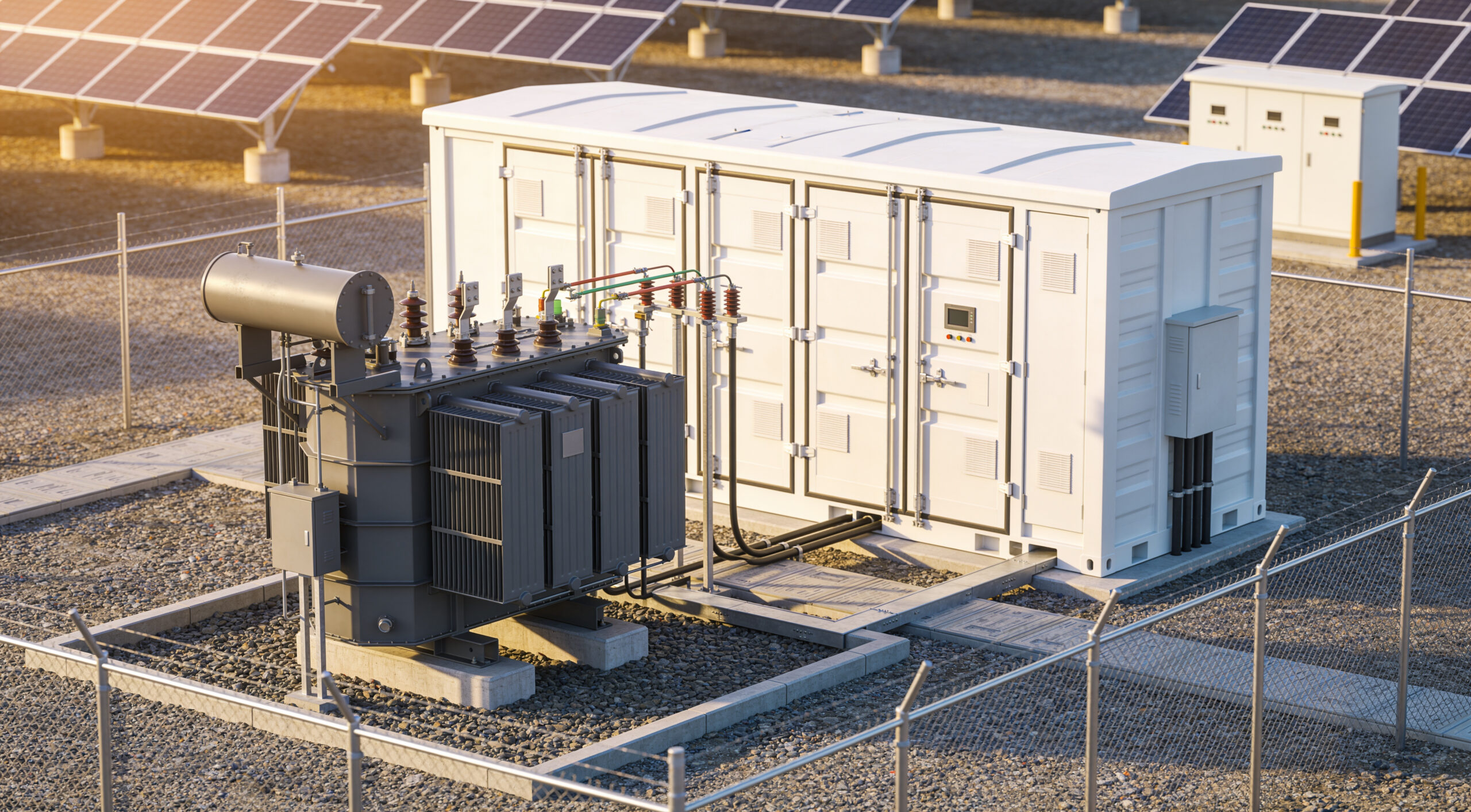
From Lubrication to Insulation: Expanding Oil Analysis Beyond Rotating Equipment
By Bryan Debshaw, POLARIS Laboratories® Most maintenance and reliability programs today recognize the value of oil analysis for rotating equipment. From gearboxes... Read more.
What Advanced Grease Tests Actually Tell You and How to Use Them
Upcoming training Machinery Lubrication Level I — Pewaukee, WI Four days of intensive training on industrial lubrication best practices — lubricant selection,... Read more.
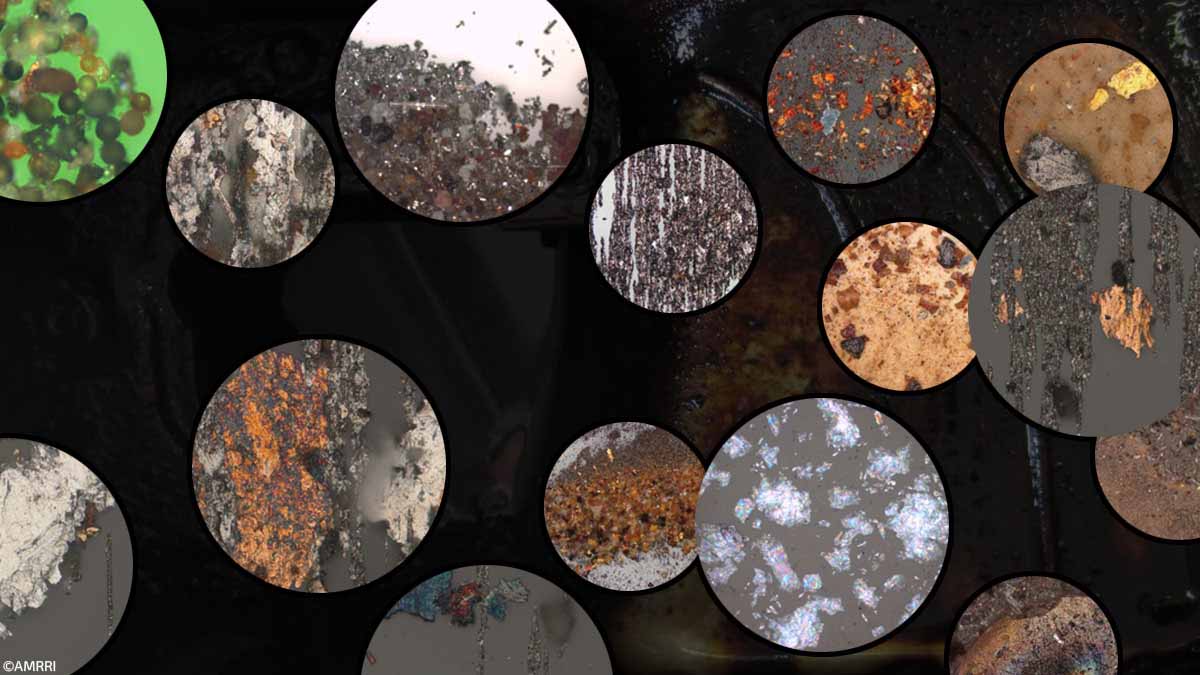
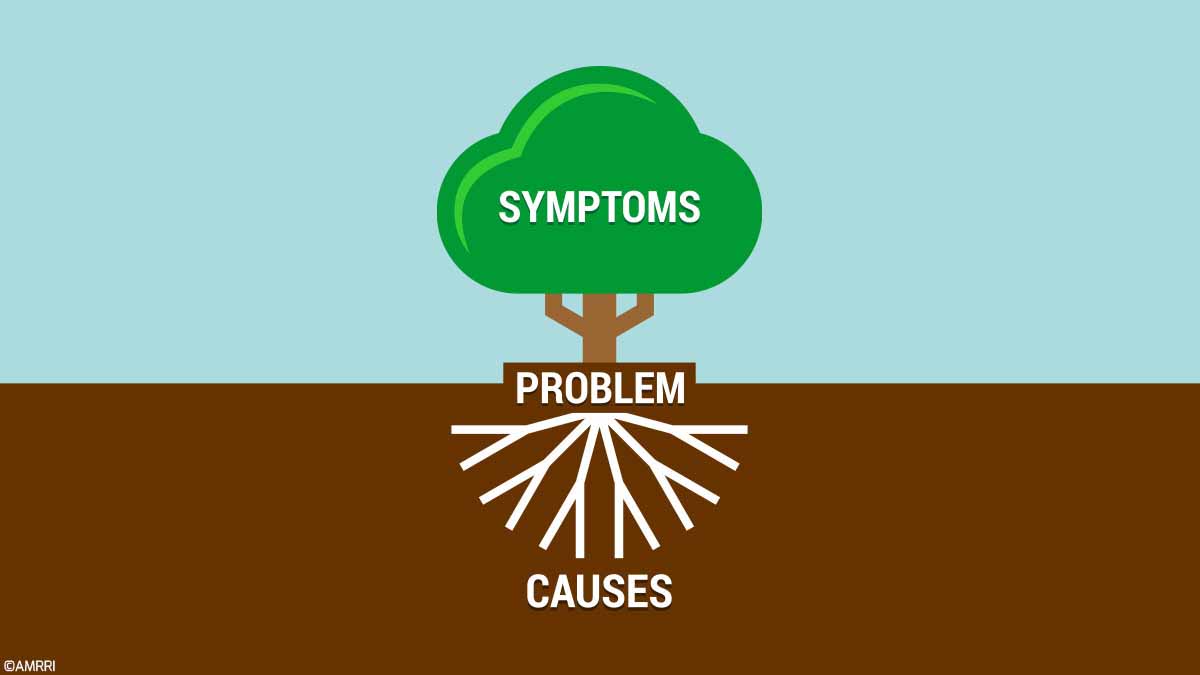
Finding the Why: How Oil Analysis Supports Root Cause Analysis
Moving Beyond Detection to Deliver Reliability
For maintenance managers and reliability professionals, identifying a problem is only the beginning. The real objective... Read more.
Standby Generators Need Proactive Fluid Analysis to Stay Reliable
In industrial and manufacturing facilities, lubrication and condition-monitoring programs focus on equipment that runs every day, such as compressors, gearboxes,... Read more.

From Oil Samples to Algorithms: Leveraging AI and Automations
Maintenance teams are entering a new era, one where data-driven insights enable automation and transform how equipment health is monitored and maintained. For years,... Read more.
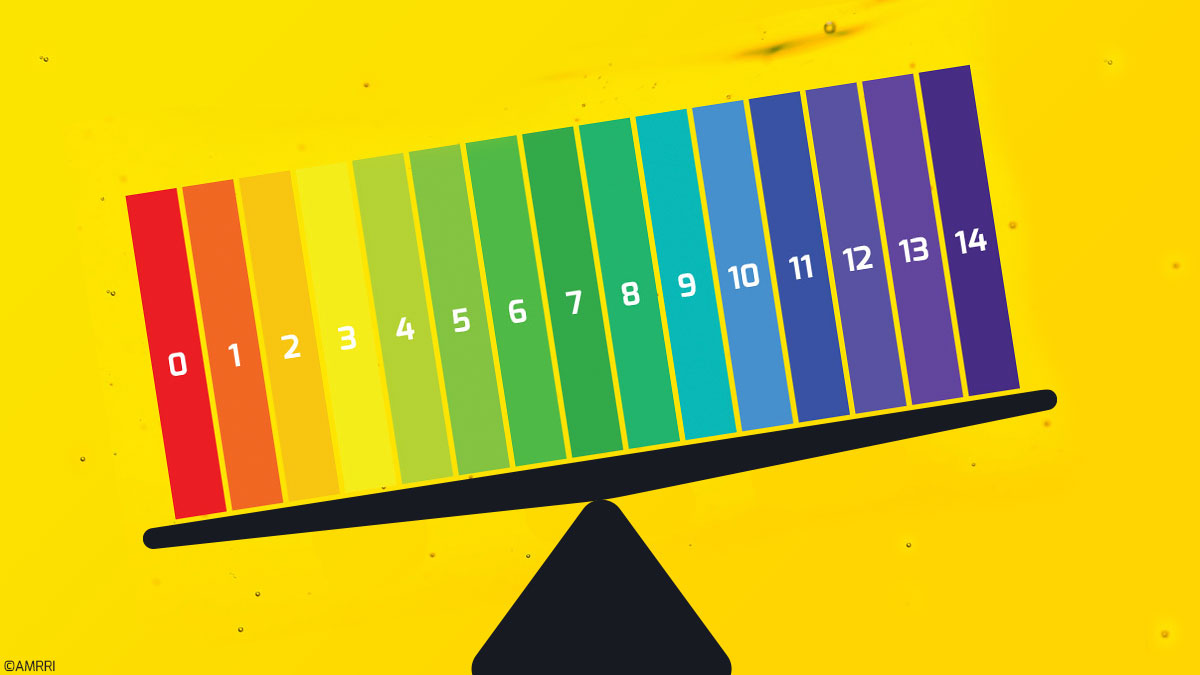
How Acid Number and Base Number Reveal the True Health of Diesel Oils
Lubrication analysis plays a vital role in predictive and preventive maintenance for diesel engines. Among the most informative tests available are Acid Number (AN)... Read more.
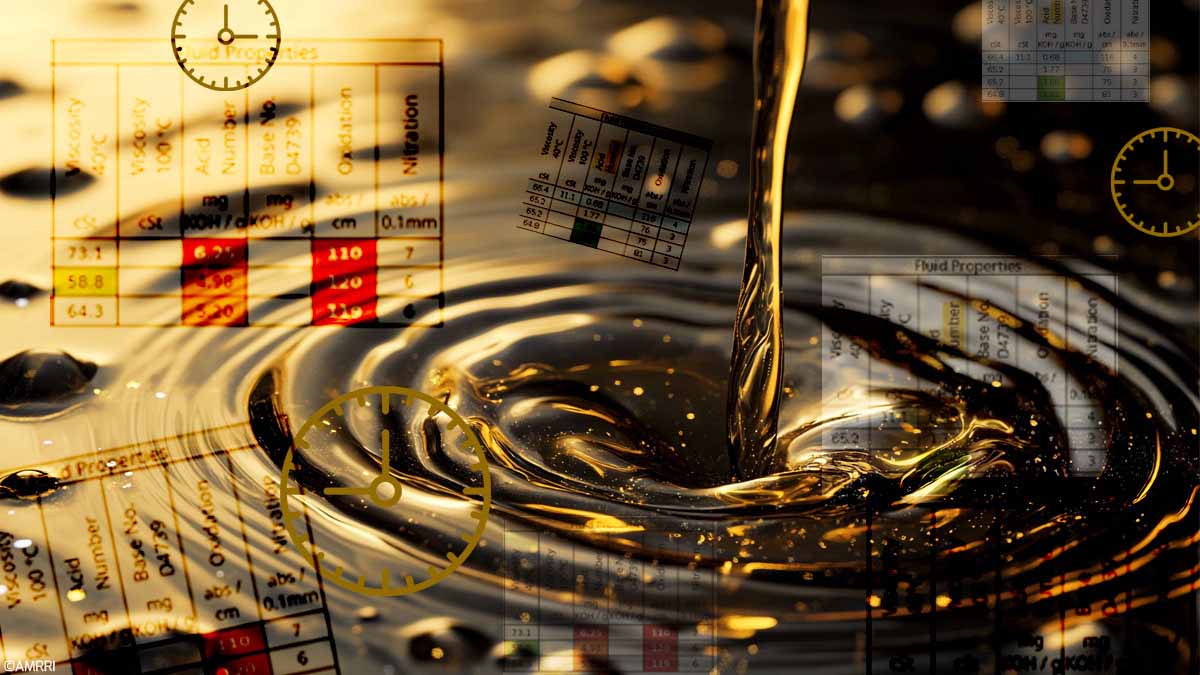
Data-Driven Strategies to Optimize Lubricant Drain Intervals
If your maintenance strategy includes getting more life out of your lubricants while ensuring equipment reliability, then optimizing, not merely extending, your... Read more.
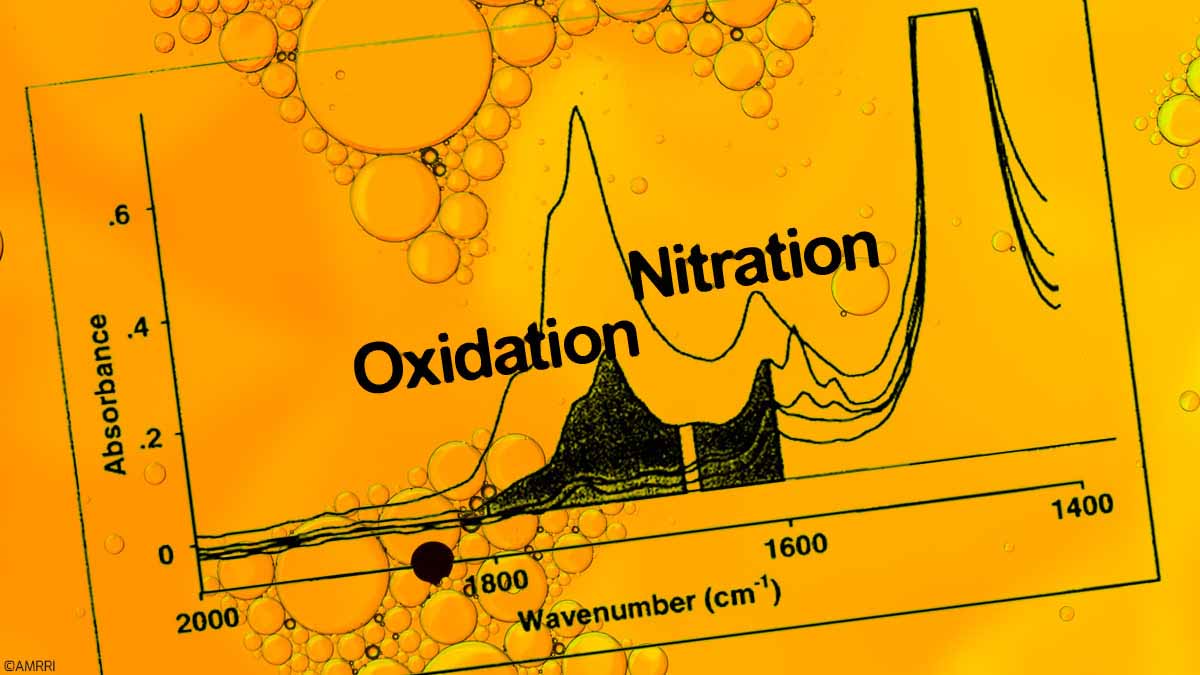
How Detecting Oxidation and Nitration Early Protects Equipment
Degradation of the lubricant circulating through your system can impact equipment performance, reliability, and lifespan. When an oil degrades, it loses its ability... Read more.
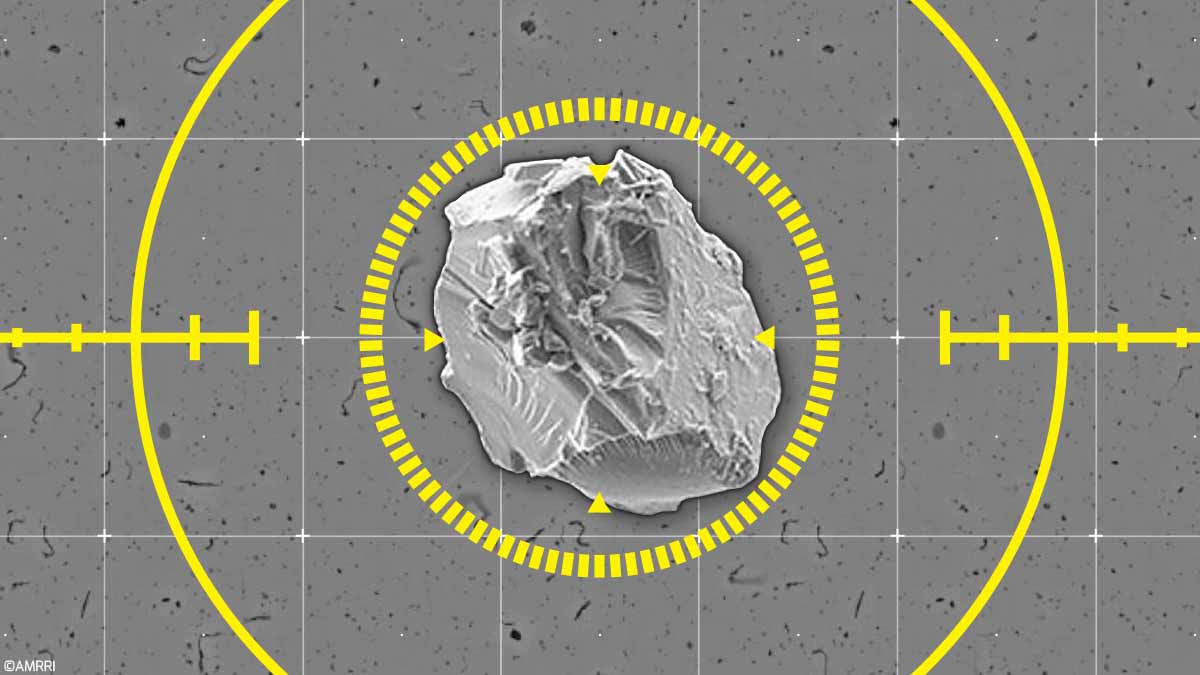
Contamination Control: Improve Cleanliness, Prevent Failures with Particle Count
Contamination within lubricants circulating through equipment can range from air, water, or, the most damaging, particles. The most common cause of equipment failure... Read more.

How Machine Learning is Redefining Fluid Analysis for Predictive Maintenance
Traditional fluid analysis relies on pre-set flagging limits to evaluate the severity of a sample. These limits, refined over time through statistical analysis,... Read more.

Cold Weather Equipment Care: Essential Fluid Testing Steps
As temperatures drop in the winter, the impact on equipment performance can be substantial. In extreme cases, such as remote mining operations in Alaska, where temperatures... Read more.
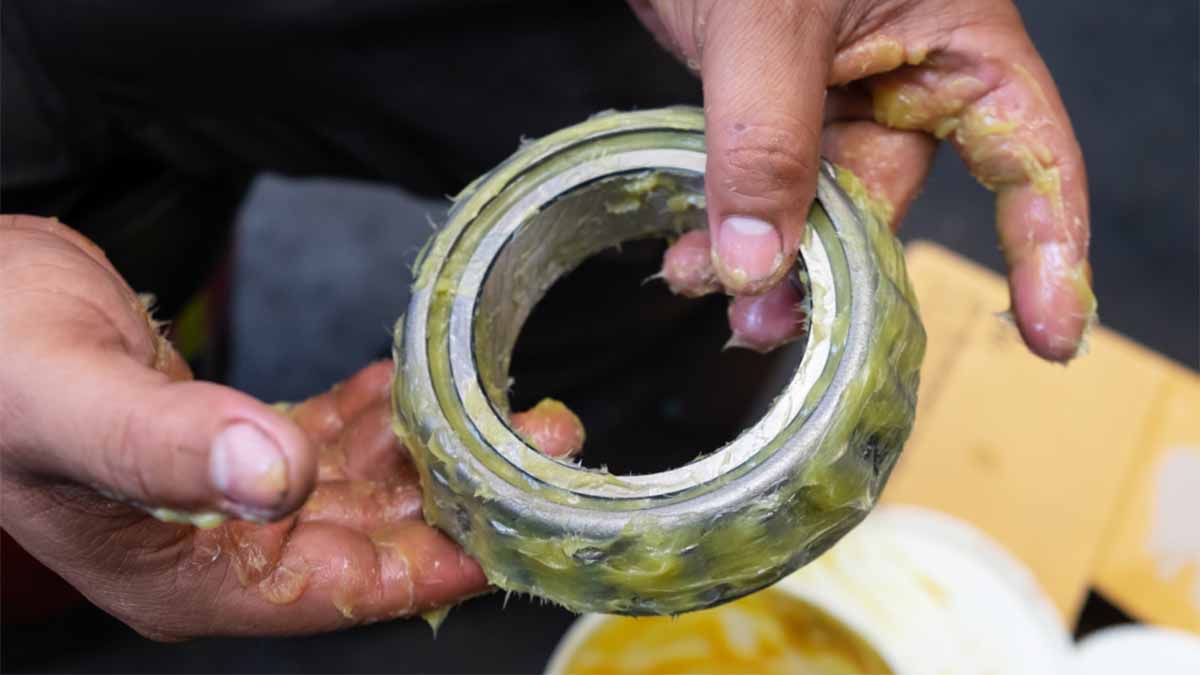
Why Grease Analysis is Essential for Predictive Maintenance Success
Grease has been used since ancient times, and new technologies and equipment design require us to improve our understanding and perception of it. These advancements... Read more.
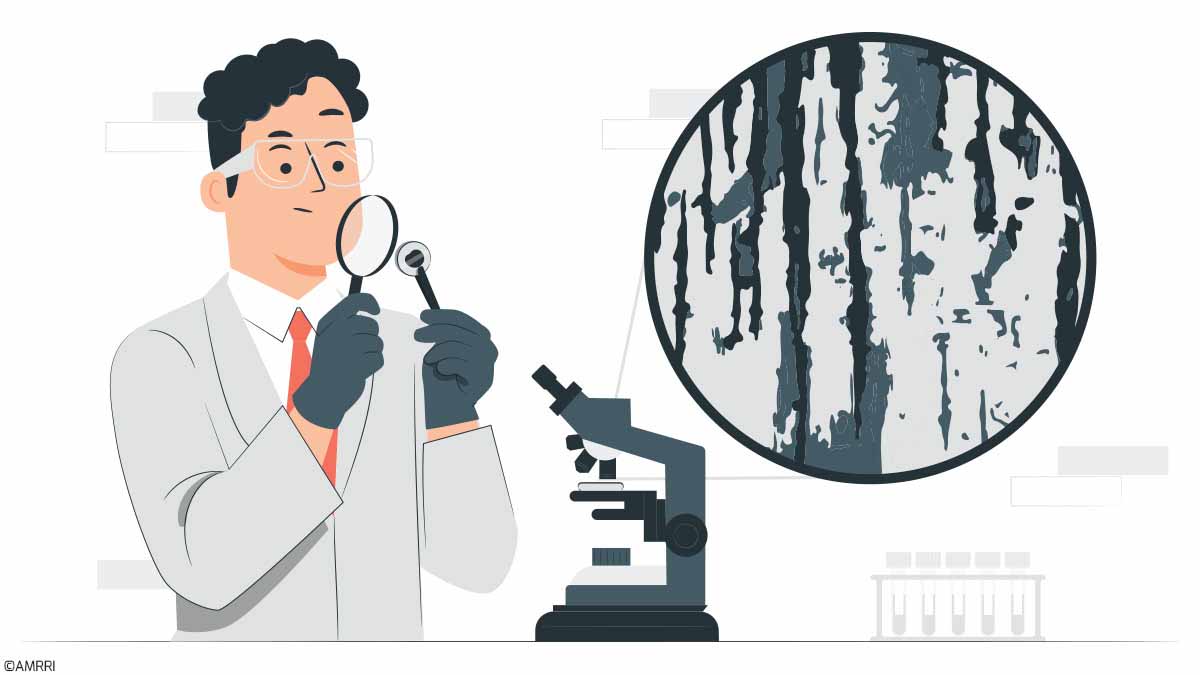
How to Improve Maintenance Decisions Using Analytical Ferrograms
One of the goals of Root Cause Analysis (RCA) is to identify the factors leading to an event that resulted in an undesired outcome and to develop corrective actions... Read more.
Uncovering the Unseen: Advanced Oil Testing for Critical Insights
Oil testing and analysis provide vital information on the condition of the oil and the equipment and can diagnose the causes of problems. Wear particles and contamination... Read more.
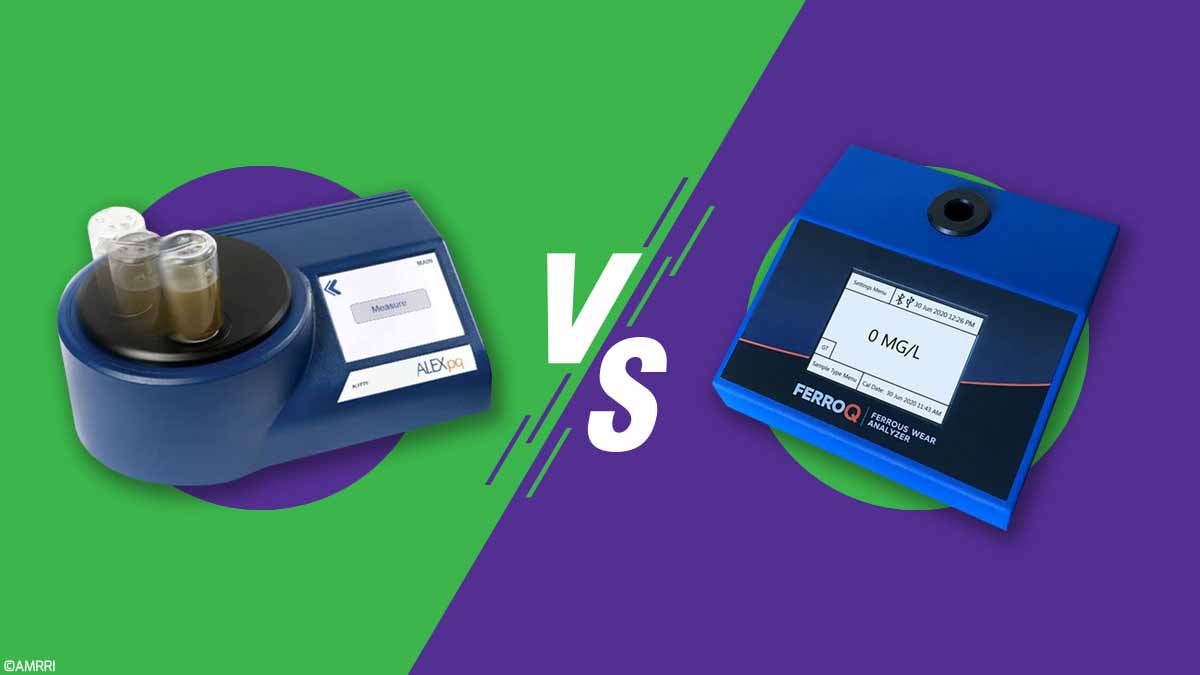
Assessing Spectroscopic Methods to Analyze Particles: PQ vs. FerroQ
Ferrous debris, put simply, refers to the metallic particles or fragments, mainly composed of iron (Fe), within a sample of lubricating oil.
Prematurely identifying... Read more.
The Bottom Line of Reliability: Fluid Analysis Cuts Maintenance Costs
Fluid analysis is a powerful tool in the preventive maintenance toolbox of many equipment and maintenance managers in industries ranging from construction to aggregates... Read more.
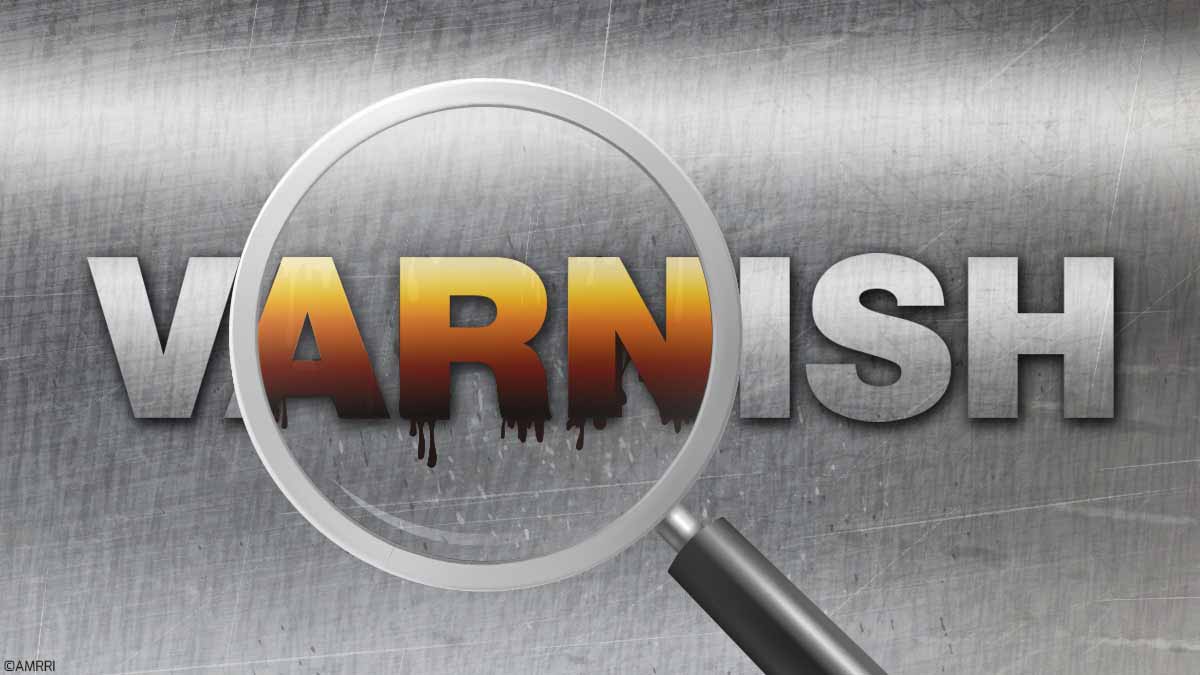
Advanced Methods for Detecting and Measuring Soluble and Insoluble Varnish
As a fluid analysis laboratory, our ongoing mission is to improve the quality of our analysis and interpretation. To do this, POLARIS Laboratories® performs statistical... Read more.

Oil Analysis Program Maturity: Are You Ready for the Next Level?
Oil analysis, often called Oil Condition Monitoring (OCM), has been integral to industrial maintenance programs for more than half a century. Throughout its history,... Read more.
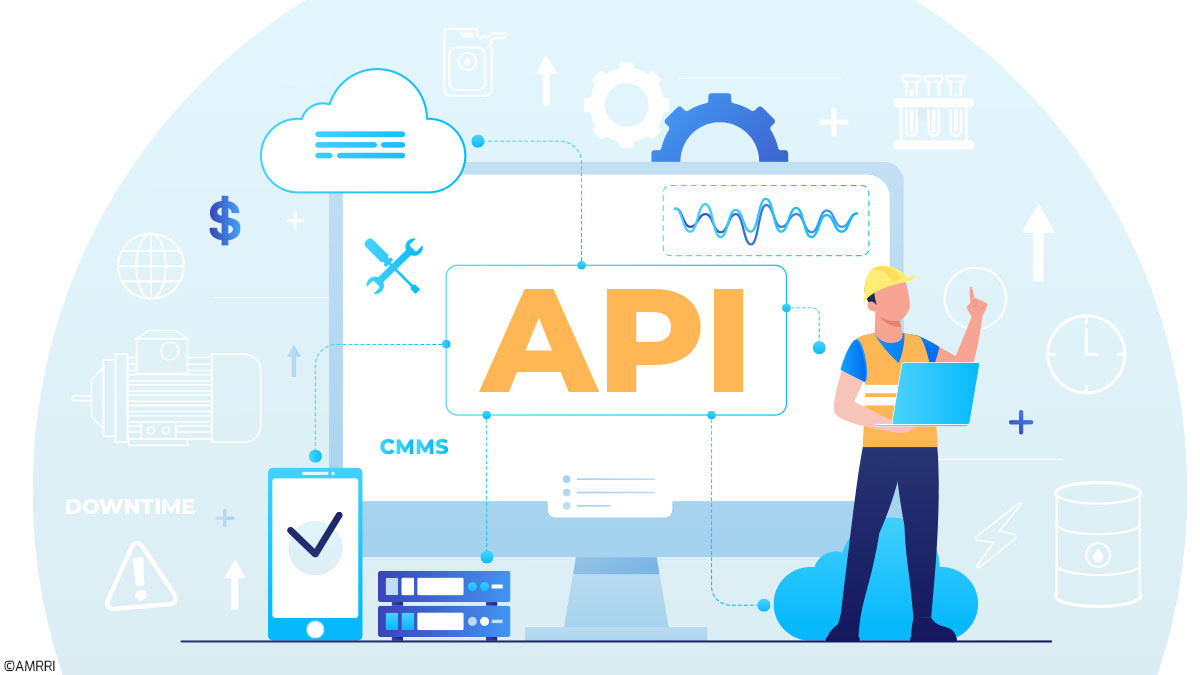
Why Your Maintenance Management Needs to Embrace Data Integration
Data, data, and more data. Our industry feeds on data to make decisions, and there's an abundance of condition monitoring tools that allow us to use data to understand... Read more.

Oil Cleanliness: Why Tiny Particles are Every Machine’s Worst Foe
Is the lubricant circulating through your system free from damage-causing contaminants? Using contaminated lubricants can lead to irreversible equipment damage,... Read more.