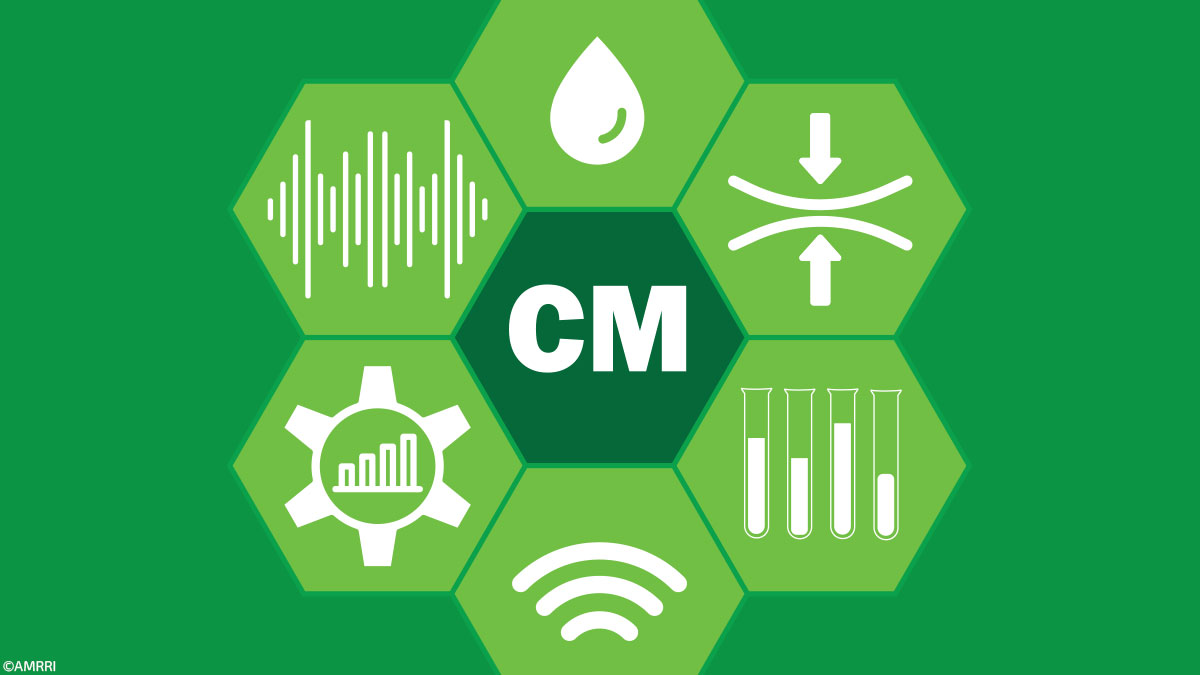


Condition monitoring is sometimes portrayed in industry messaging as being effectively limited to vibration analysis and ultrasound. Such claims, including those recently advanced by emerging vendors in the sensing technology space, reflect a broader pattern of...
Lubricant Analysis
Finding the Why: How Oil Analysis Supports Root Cause Analysis
Moving Beyond Detection to Deliver Reliability For maintenance managers and reliability professionals, identifying a problem is only the beginning. The real objective is preventing it from happening again. In demanding industries with processing and manufacturing...
How AI and Risk Profiles Are Transforming Onsite Oil Analysis Programs
Several years ago, I published an article titled, “How to Get Started with Onsite Oil Analysis: A Step-by-Step Guide”. In that article, I outline 7 steps to developing a successful onsite program: Developing an equipment criticality profile Determining sampling...
Lubricant Additive Depletion as an Early Asset Health Signal
Oils are composed of base oils and additives. Typically, additives are sacrificial; they deplete first before the base oil is affected. As such, by trending their quantities over time, we can gain insight into a few of the conditions to which the oil is subjected. By...
How OEM Lubricant Specs Become a Reliability Trap for Engineers
Oil analysis is widely recognized as one of the most potent tools in precision lubrication and reliability engineering. Yet, despite decades of industry experience, many organizations unknowingly undermine their effectiveness before the first sample is even taken. A...
How Strategic Oil Analysis Reduces Risk and Extends Equipment Life
The reliability and availability of industrial assets are critical factors for the competitiveness of modern organizations. In this context, maintenance has evolved from a predominantly corrective model to preventive, predictive, and more recently, proactive...
Standby Generators Need Proactive Fluid Analysis to Stay Reliable
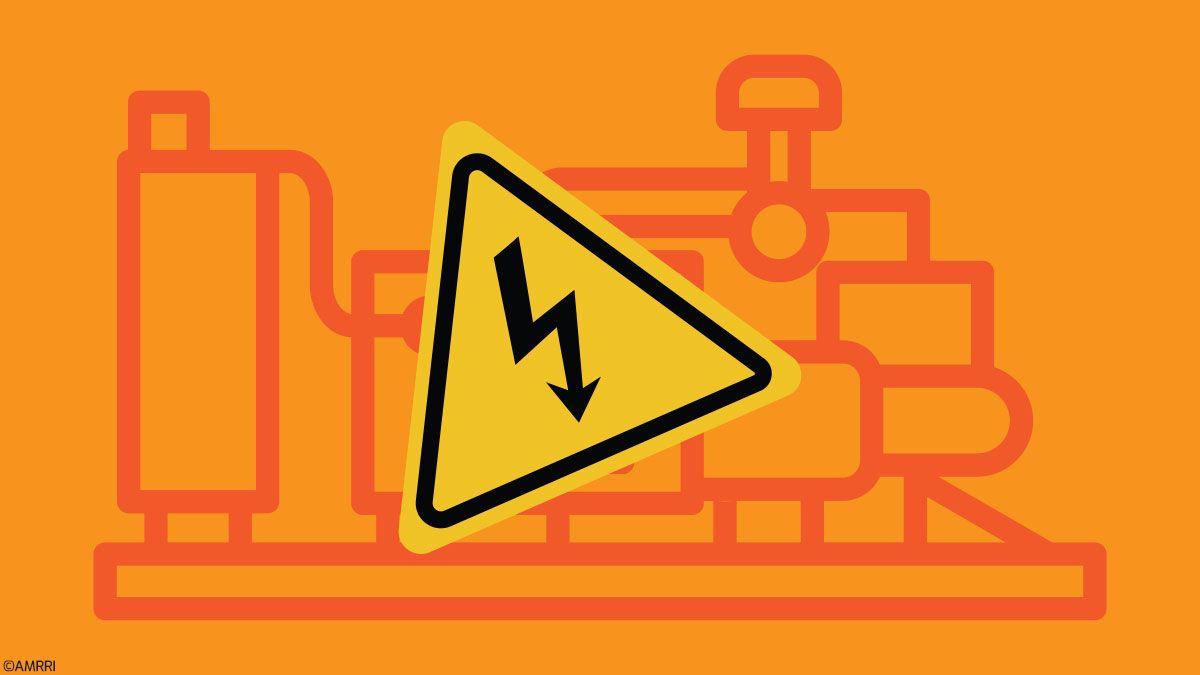
In industrial and manufacturing facilities, lubrication and condition-monitoring programs focus on equipment that runs every day, such as compressors, gearboxes, pumps, turbines, and hydraulic systems that keep production moving. These critical assets are often...
How to Interpret RPVOT Regions for Better Lubricant Decisions
It is very likely that you have encountered the RPVOT (Rotating Pressure Vessel Oxidation Test), a laboratory test developed in the 1960s and later standardized by ASTM D2272. It measures the antioxidant stability of lubricating oils by accelerating oxidation in a...
From Oil Samples to Algorithms: Leveraging AI and Automations
Maintenance teams are entering a new era, one where data-driven insights enable automation and transform how equipment health is monitored and maintained. For years, the industry has been moving from preventive maintenance to predictive maintenance, but what’s next?...
How EGR Failures Destroy Engines – and How Oil Analysis Detects Them
The EGR (Exhaust Gas Recirculation) system recirculates a fraction of the exhaust gases into the intake manifold to lower combustion temperature, reduce NOx emissions, and, in some cases, improve fuel consumption in both diesel and gasoline engines. This recirculation...