


Machinery Lubrication Level I — Pewaukee, WI
Four days of intensive training on industrial lubrication best practices — lubricant selection, storage, filtration, and application. Built for those pursuing MLT I / MLA I certification.
For many manufacturing facilities, grease analysis stops at appearance, consistency, or contamination checks. While these basic indicators are valuable, they often fail to explain why a grease-lubricated component is degrading — or how close it may be to failure. As reliability programs mature, advanced grease analysis techniques provide deeper insight into grease health, additive condition, and wear mechanisms that basic testing often falls short on.
Advanced grease analysis techniques provide deeper insight into grease health, additive condition, and wear mechanisms — helping reliability teams move from reactive decisions to confident, condition-based action.
Why Grease Requires a Different Analytical Approach
Unlike oil, grease is a semi-solid lubricant composed of base oil, thickener, and additives. Each of these components ages differently under heat, load, contamination, and mechanical stress. Changes in grease performance are often driven by chemical degradation and mechanical breakdown long before obvious visual changes occur.
Advanced testing focuses on separating and evaluating the degradation mechanisms of base oil, thickener, and additives independently — so maintenance teams can move from reactive decisions to informed, condition-based actions.
FTIR: Understanding Chemical Degradation
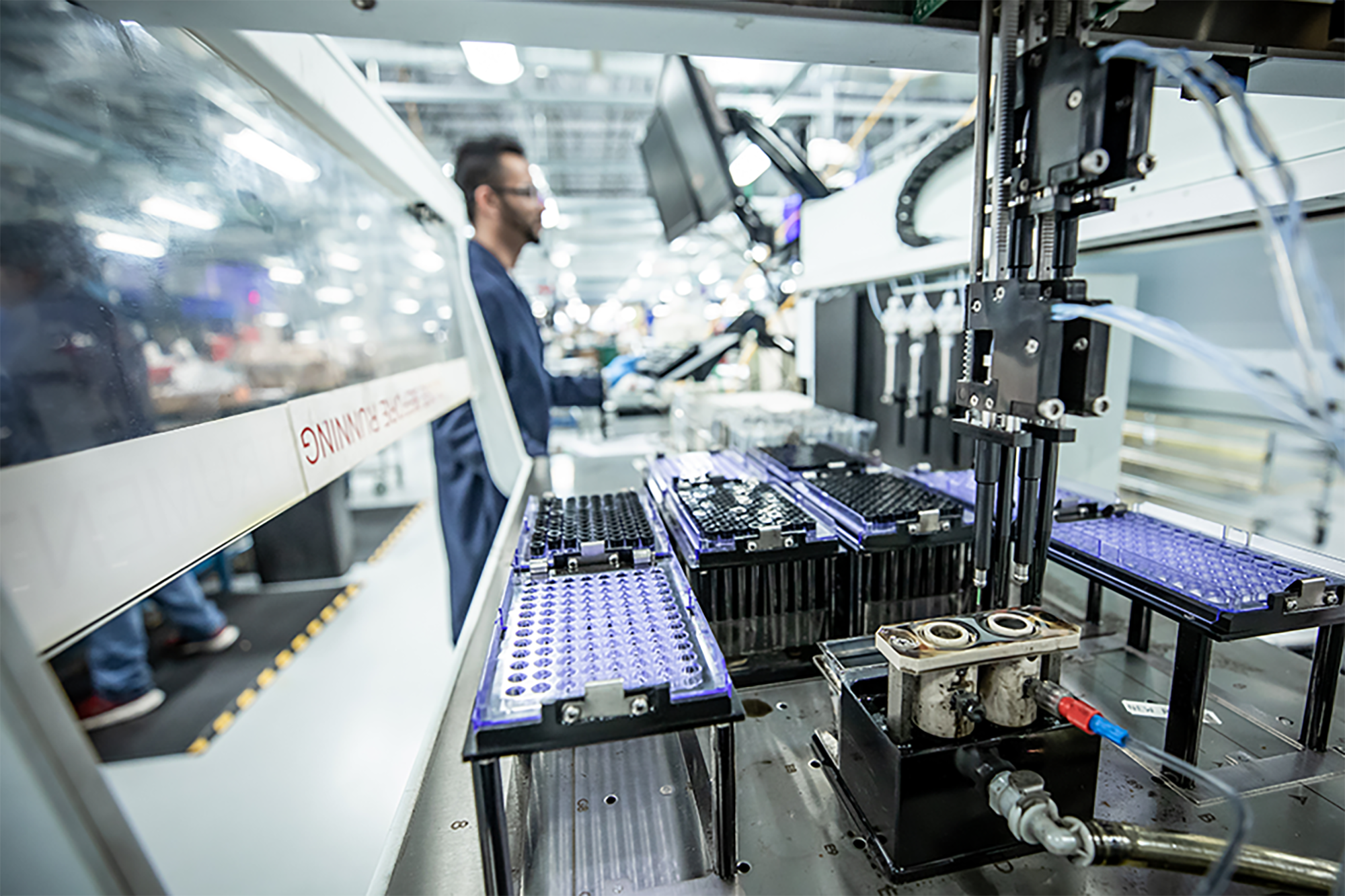
Figure 1: FTIR Full Spectrum Scan example.
Fourier Transform Infrared Spectroscopy (FTIR) is one of the most valuable advanced tools in grease analysis. An FTIR Full Spectrum Scan detects chemical changes in the grease’s base oil and additives, including oxidation, nitration, and contamination from process chemicals or cleaners.
In manufacturing and processing environments, FTIR can reveal early oxidation caused by elevated temperatures or washdown conditions — often before grease hardening or bearing noise occurs.
The Key Value of FTIR Is Trend-Based Interpretation
A single data point provides limited insight, but trending oxidation and additive depletion over time allows maintenance teams to predict remaining grease life and optimize regreasing intervals. A single spectrum tells you what is there. The trend tells you where it is going.
LSV by RULER: Measuring Antioxidant Depletion
Remaining Useful Life Evaluation Routine (RULER) testing uses Linear Sweep Voltammetry (LSV) to measure the depletion of antioxidants in grease. While FTIR indicates that oxidation is occurring, RULER shows how much chemical protection remains to resist further degradation.
This technique is particularly useful in high-temperature or high-load applications common in primary metals and petrochemical facilities. As antioxidants are consumed, oxidation accelerates rapidly.
The Inflection Point RULER Identifies
RULER data helps identify the inflection point where grease condition can deteriorate quickly — often well before mechanical symptoms appear. Once antioxidants are depleted, the remaining service life collapses rapidly. RULER is the only test that provides advance warning of this transition.
FTIR and RULER answer different questions. FTIR tells you that oxidation is occurring. RULER tells you how much capacity remains to resist it. Used together, they define both where the grease is and how far it has left to go.
Water Measurement, Microbial Growth, and Wear Debris Analysis
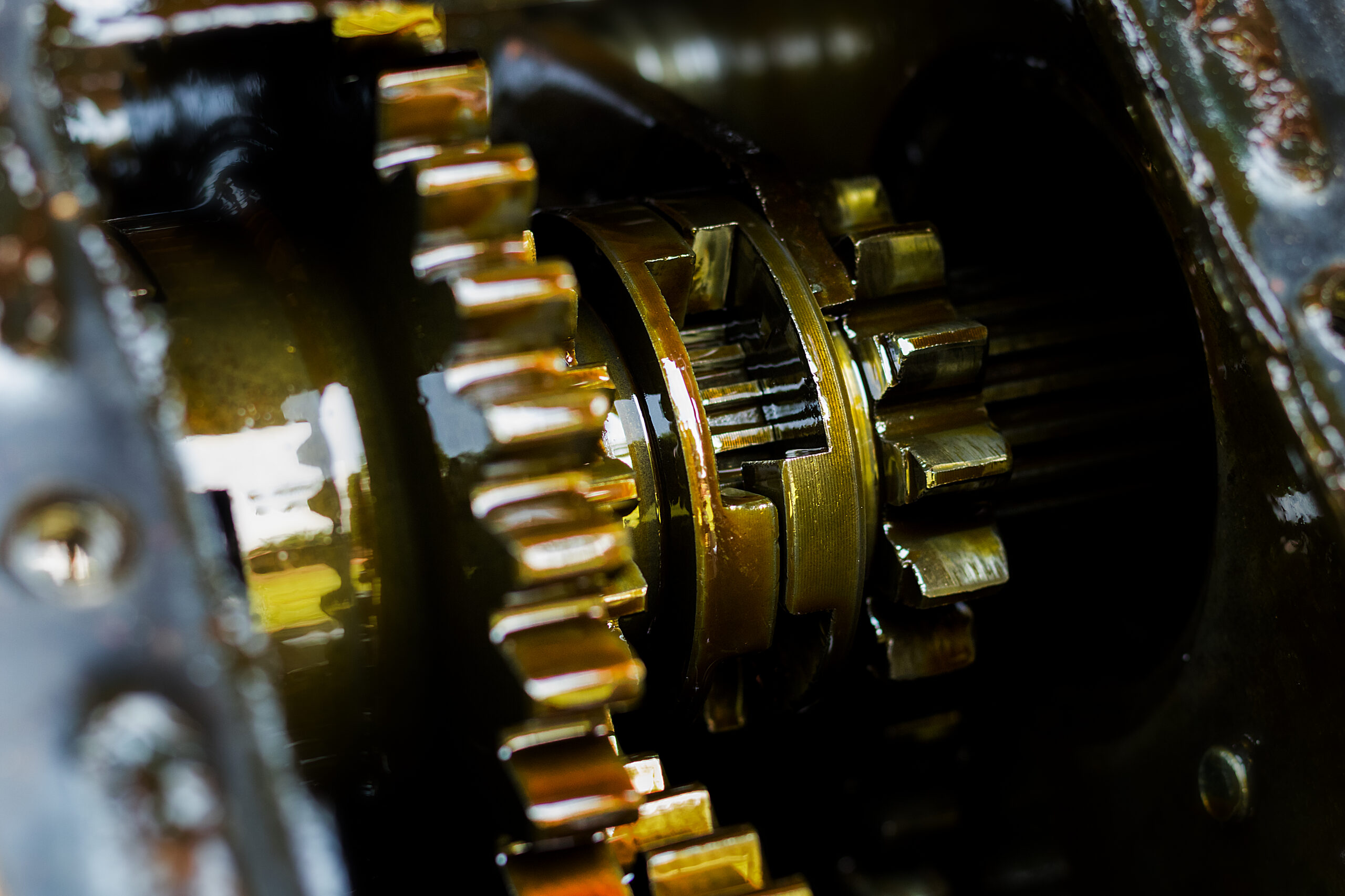
Figure 2: Water and microbial contamination analysis example.
Advanced testing can measure water content, microbial growth, and wear to provide deeper insight into contamination, degradation drivers, and internal wear conditions. Water contamination is a leading cause of grease failure, contributing to oxidation, additive depletion, and corrosion.
Choosing the Right Tests and Avoiding Over-Testing
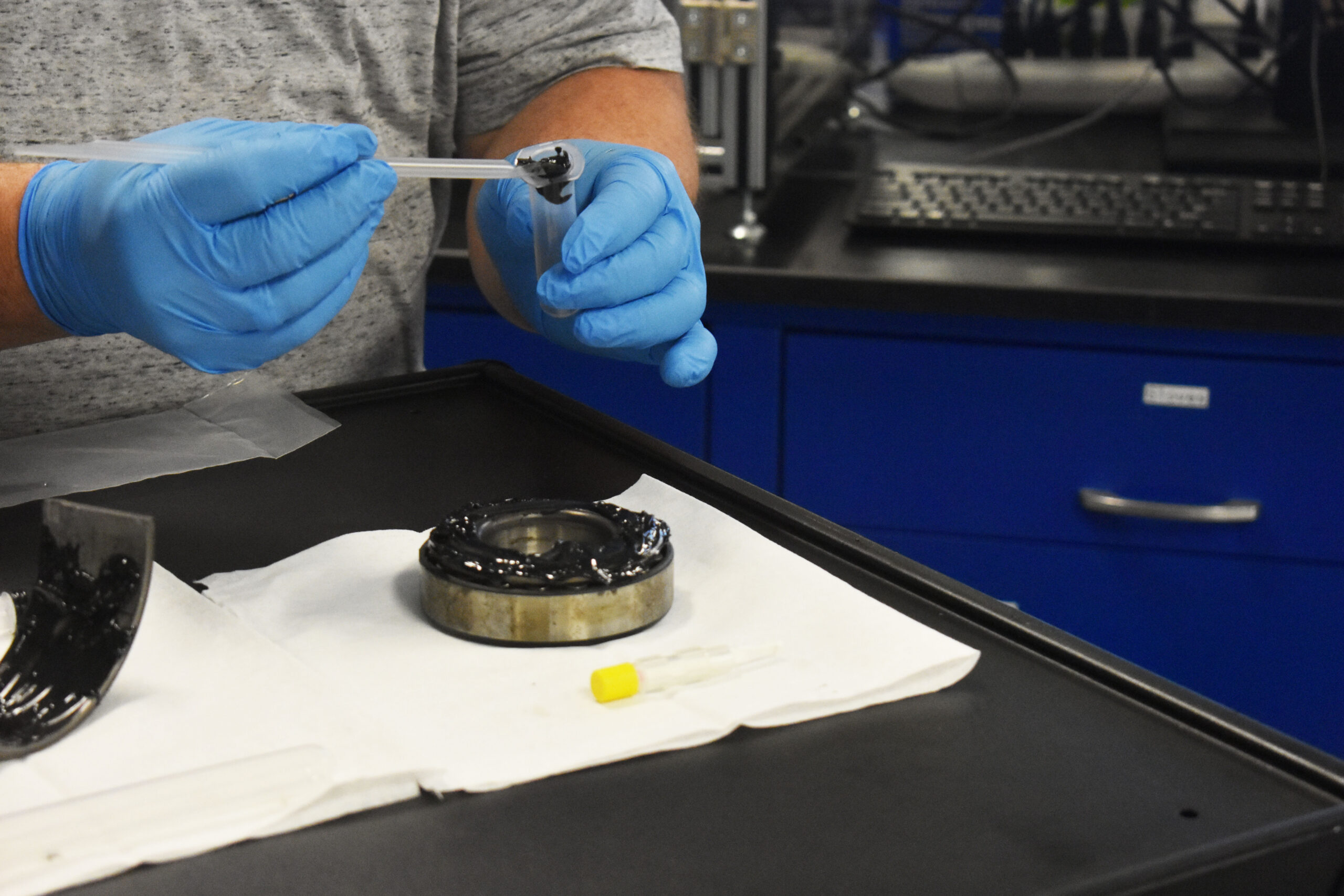
Figure 3: Test selection matrix by asset criticality and operating conditions.
One of the most common mistakes with advanced grease testing is applying every available test to every asset. Not all techniques deliver value in every application. A best practice for grease reliability testing is to select tests based on asset criticality, operating conditions, and known failure modes.
Over-Testing Is a Real Cost — And It Obscures What Matters
Applying the full test panel to every asset generates data volume without insight. The result is analysis paralysis, report fatigue, and missed signals on the assets that actually matter. The discipline is not in running more tests — it is in running the right tests on the right assets, consistently.
Matching Tests to Asset Profile
High-temperature or chemically aggressive environments — FTIR and RULER are the priority. They track the degradation mechanisms that elevated temperature drives fastest.
Critical bearings with known wear risks — add Ferrous Debris Monitoring to track mechanical degradation alongside chemical condition.
Wet or contamination-prone environments — Karl Fischer and ATP testing provide the moisture and microbial dimensions that FTIR alone will not quantify.
Low-criticality assets — routine consistency and contamination checks may be entirely sufficient. Not every asset earns advanced testing.
Sampling Quality Determines Data Quality
Generating reliable trending data depends on collecting consistent, repeatable, and truly representative grease samples. Inconsistent sampling methods or locations introduce variability that reduces the accuracy and value of results. Most laboratories provide specialized grease sampling kits and standardized instructions designed to ensure samples reflect in-service conditions. The integrity of the sample governs the integrity of every result that follows.
Turning Advanced Data into Reliability Gains
Advanced grease analysis techniques provide a clearer picture of grease health, remaining useful life, and emerging failure mechanisms. When applied selectively and interpreted in context, these tools help reliability teams optimize intervals, prevent premature bearing failures, and make confident maintenance decisions.
A Question Worth Asking Your Program
Is your current grease analysis program telling you what is happening inside the grease — or only confirming what you can already see from the outside?
Moving beyond basic testing is not about complexity — it is about understanding what matters most inside the grease that protects your most critical assets.