
Many lubrication engineers are faced with finding the most appropriate lubricant for an application. Therefore, they are tasked with selecting the "right" lubricant; subsequently, their decision can influence several outcomes. A lot of the positive results are in the...

Articles
How to Select Turbine Oils Strategically for Improved Results Now
Turbine oils are required for some of the most complex pieces of turbomachinery equipment. Ideally, users should spend a great deal of time when selecting the right turbine oil, as an inappropriate selection could lead to significant undesired downtime. However, this...
Why Your Maintenance Management Needs to Embrace Data Integration
Data, data, and more data. Our industry feeds on data to make decisions, and there's an abundance of condition monitoring tools that allow us to use data to understand the health of operating equipment and detect potential risks of failures. Utilizing core equipment...
Qualified Reliability Professionals: The Lone Hope for American Industries?
Many years ago, I wrote a book entitled The Death of Reliability, Is it too late to resurrect the one true competitive advantage? I wrote the book because of my growing concern that we are losing the experience and skills necessary to deliver reliability. It is not...
Precision Spotlight with Rafe Britton
Welcome to Precision Spotlight, our fresh Q&A series where we shine a light on industry professionals, delving into their insights and experiences in the world of lubrication. In this Precision Spotlight we interview one of our Editorial Advisory Board...
Extending Steel Wire Rope Useful Life through Precision Lubrication
Wire ropes are surprisingly ubiquitous and are used in various industries. I see them daily in Tangier Med Port, where I work. They are visible here in handling equipment in the container terminals. They are used to lift and pull heavy containers in Ship-To-Shore...
The Elusive Acid Number: What Does It Really Mean?
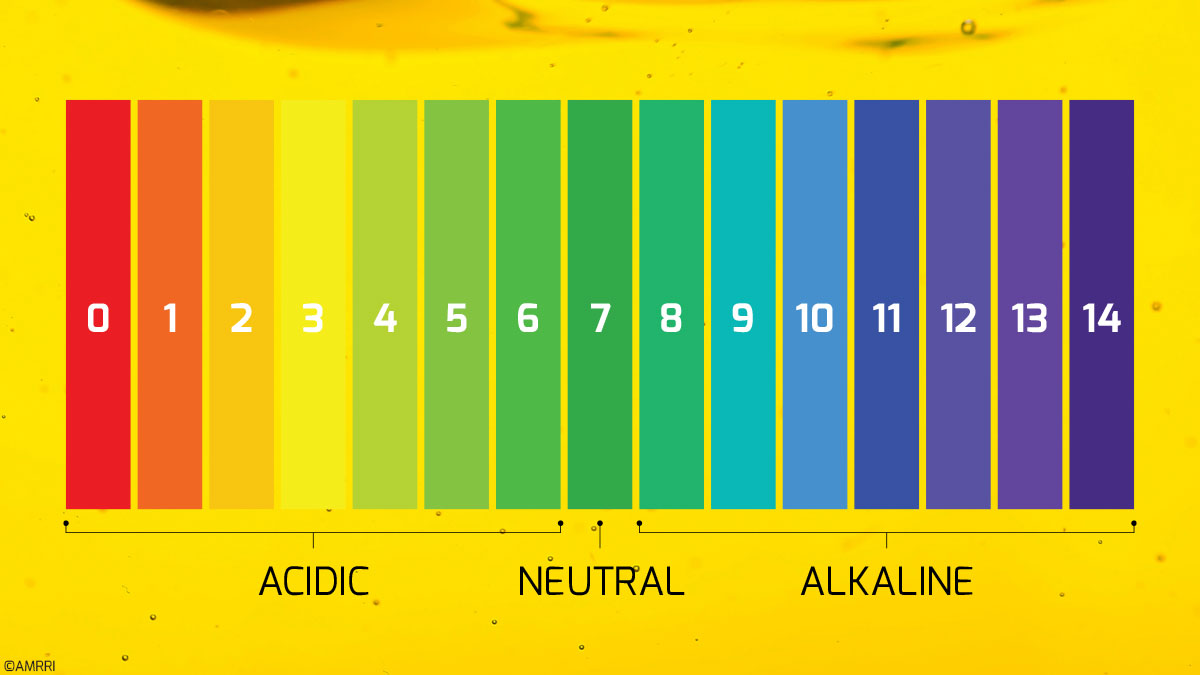
The Acid Number of a lubricant, sometimes called the "Total Acid Number" or TAN, is a commonly reported value for oil analysis and is generally considered an indication of oil aging and degradation. But what does it mean, and how is it determined? Let's break down...
Oil Cleanliness: Why Tiny Particles are Every Machine’s Worst Foe
Is the lubricant circulating through your system free from damage-causing contaminants? Using contaminated lubricants can lead to irreversible equipment damage, shortened life, and unexpected downtime. Instances of contamination can be identified by inspecting the...
Create the Job Plan Library to Stop Reinventing the Wheel
As a rule, maintenance work is repeatable. The maintenance team may work on a specific pump today and repeat the same job two years later. Rather than reinventing the wheel (developing the work order tasks steps, reattaching pictures, and locating material numbers as...
How to Properly Lubricate a Rolling Element Bearing
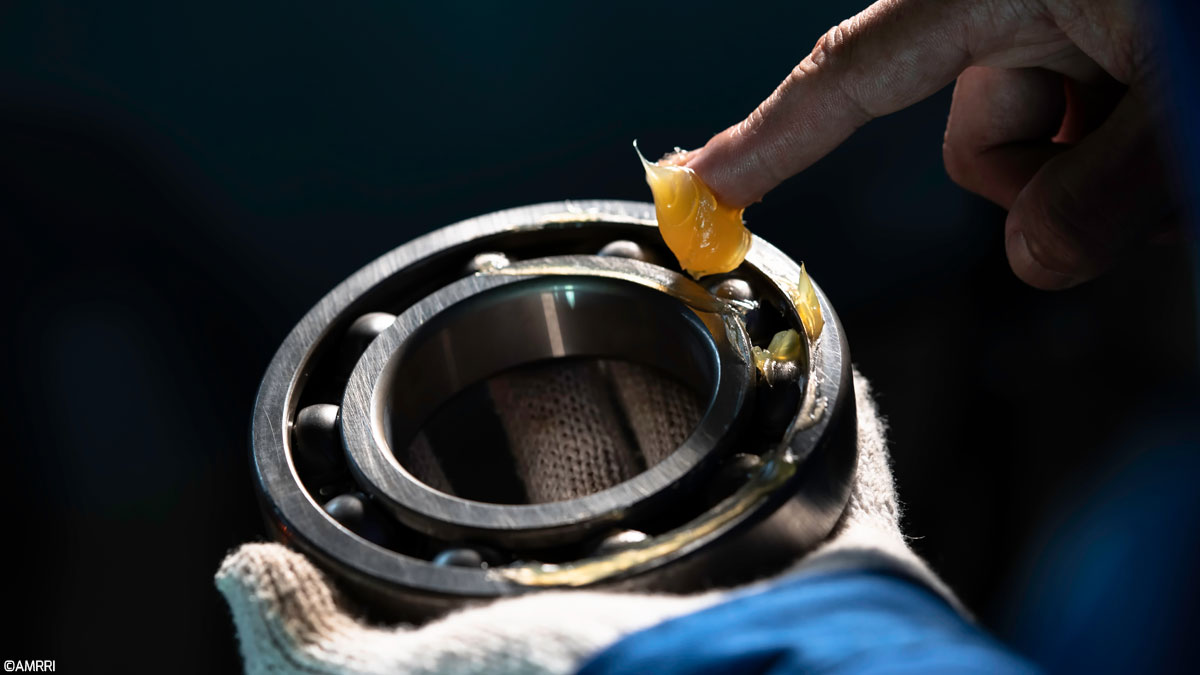
In Part 1 of this series we talked about the evolution of rolling element bearing life calculations from the original work of Lundberg and Palmgren in the 1940s and 50's to the most recent ISO 281 standard, published in 2007. Central to the ISO 281:2007 standard is...