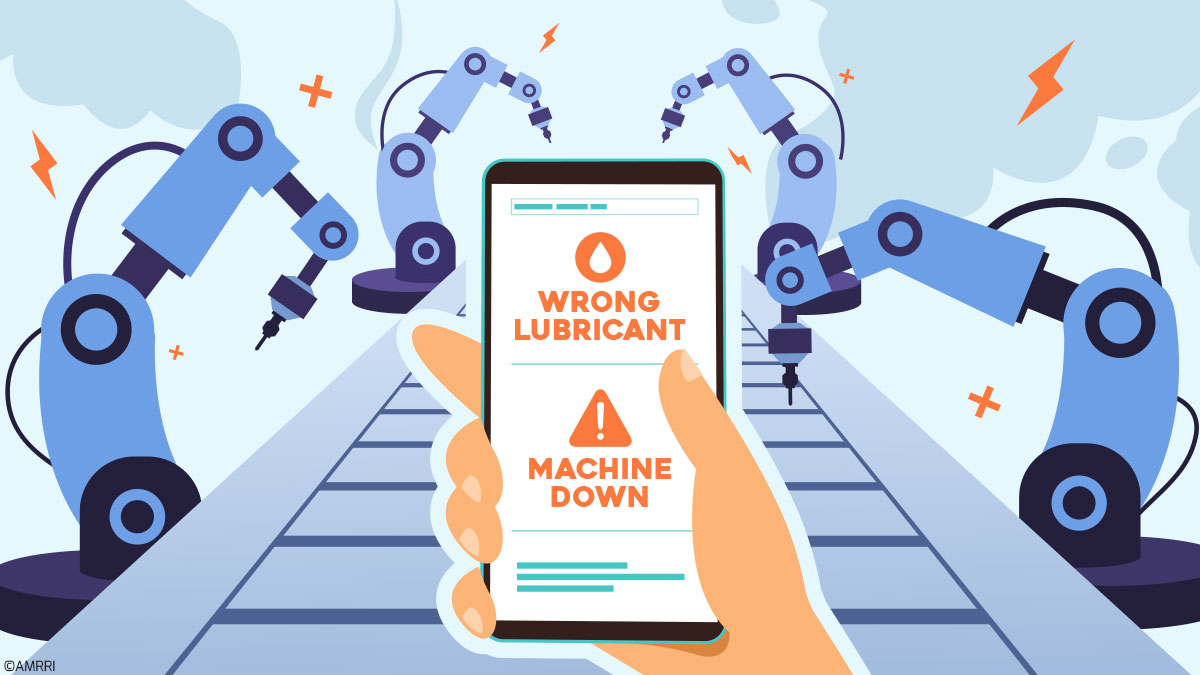

Is the lubricant circulating through your system free from damage-causing contaminants? Using contaminated lubricants can lead to irreversible equipment damage, shortened life, and unexpected downtime. Instances of contamination can be identified by inspecting the...
Lubricant Analysis
How ASTM Standards Set the Foundation for Lubricant Condition Monitoring
The foundation of a lubricant condition monitoring program is the ability to obtain accurate and informative data that can be related to how the machine and lubricant may fail. In the past ten years, many industrial advances have significantly impacted the lubricant...
How Oil Sampling Makes Maintenance Predictable and Effective
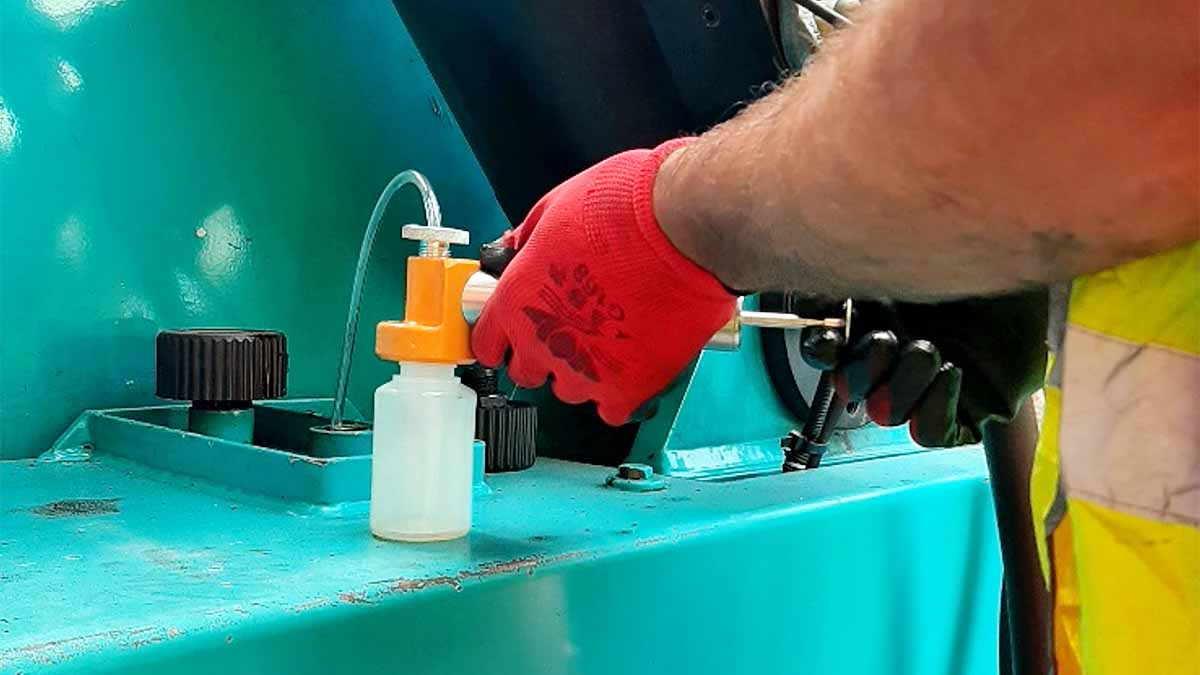
Like other condition monitoring techniques, oil analysis is vital in monitoring equipment health and maintaining performance. It aims to detect underlying root causes of failure and early-stage potential failures before they cause significant damage. Oil sampling is...
Reducing Costs, Increasing Production: The Remarkable Impact of Predictive Maintenance
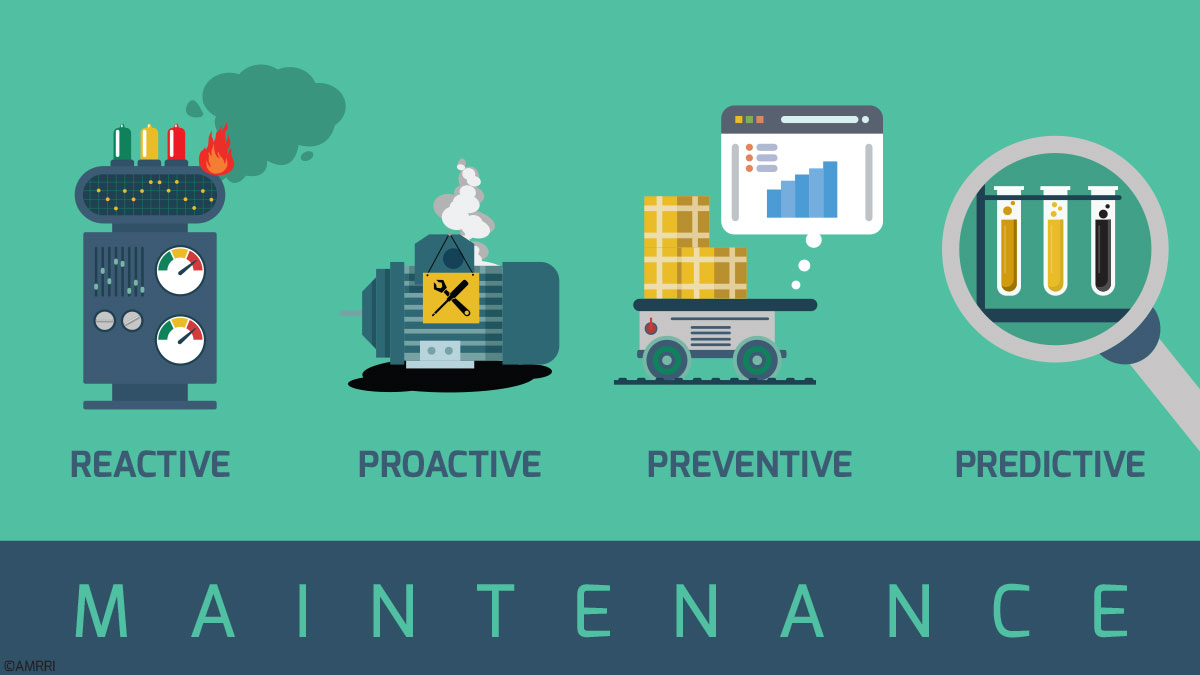
Throughout my years in the maintenance and lubrication industry, I've seen maintenance strategies evolve from reactive, to proactive, to preventive, to now moving their way to predictive. As we move towards the future, we're seeing companies move toward a predictive...
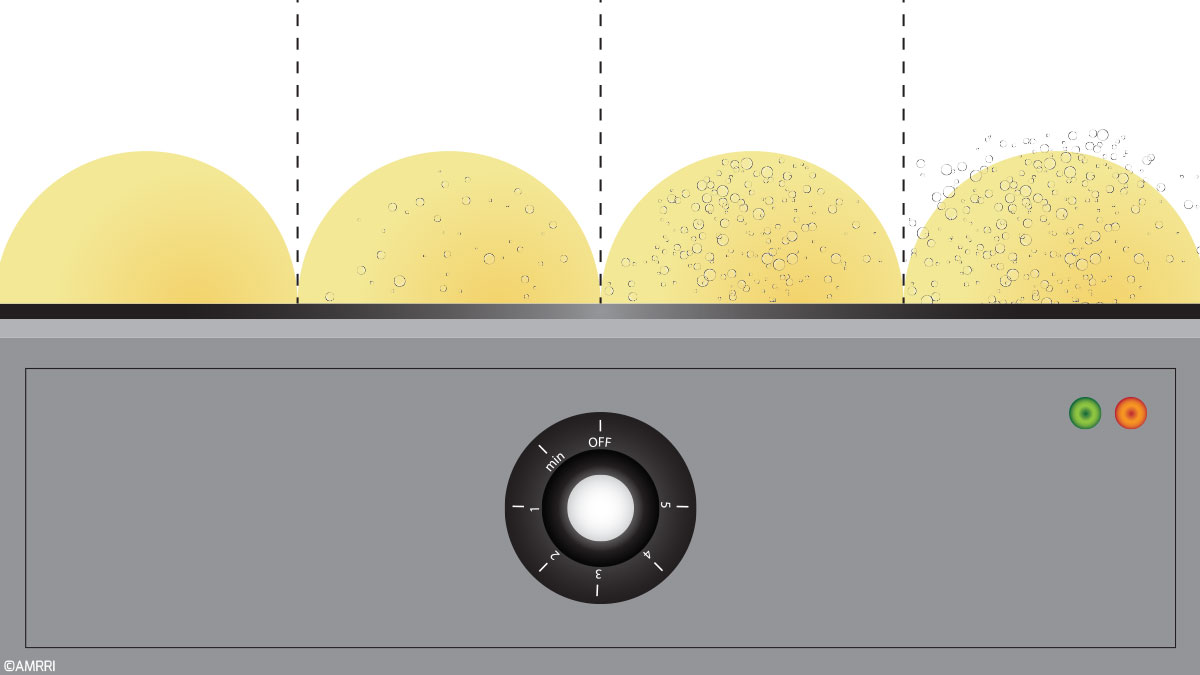
How Reliable and Accurate is the Crackle Test for Oil Analysis?
Why The Most Popular Oil Analysis Test Ever Might Actually Be the Worst Over the years, oil analysis has gone from something adopted by just a few asset owners with critical components to a universal tool to achieve reliability. As oil analysis entered the...
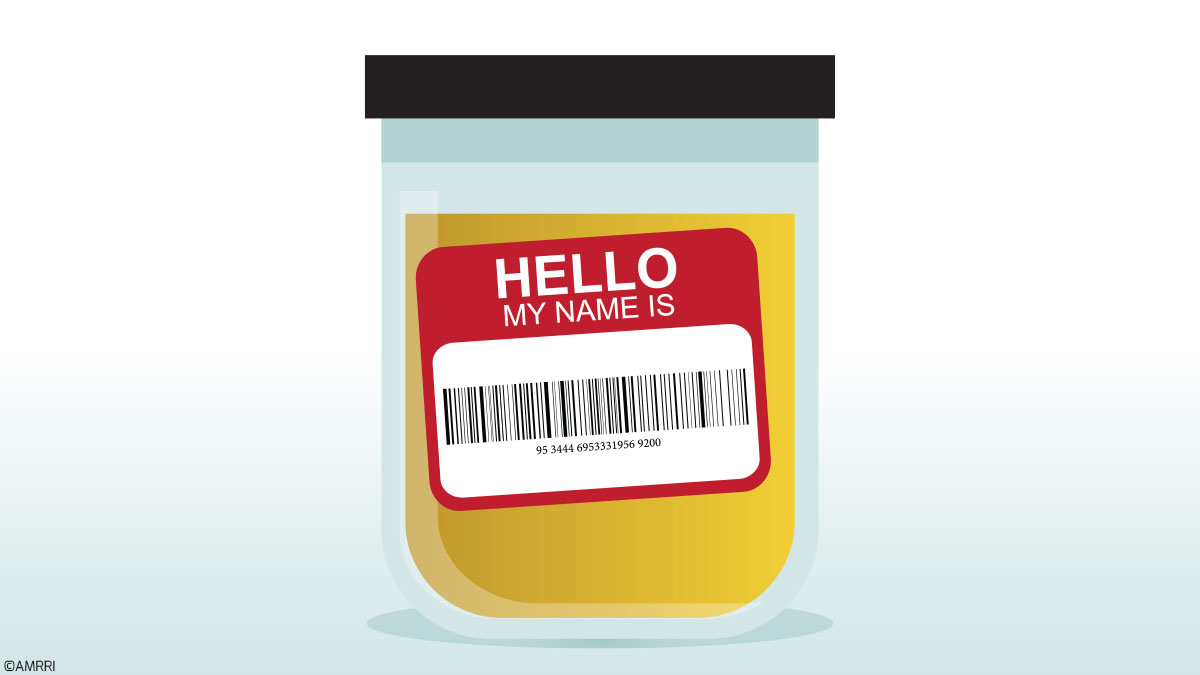
Oil Analysis Blunders: How to Avoid Mistakes in Sample Identification
Lubricants are the lifeblood of machines. Like a blood test, lubricant analysis can provide early warnings of impending failures, far in advance, before it is too late to take timely action. But not all oil samples can give such alerts completely! Only representative...
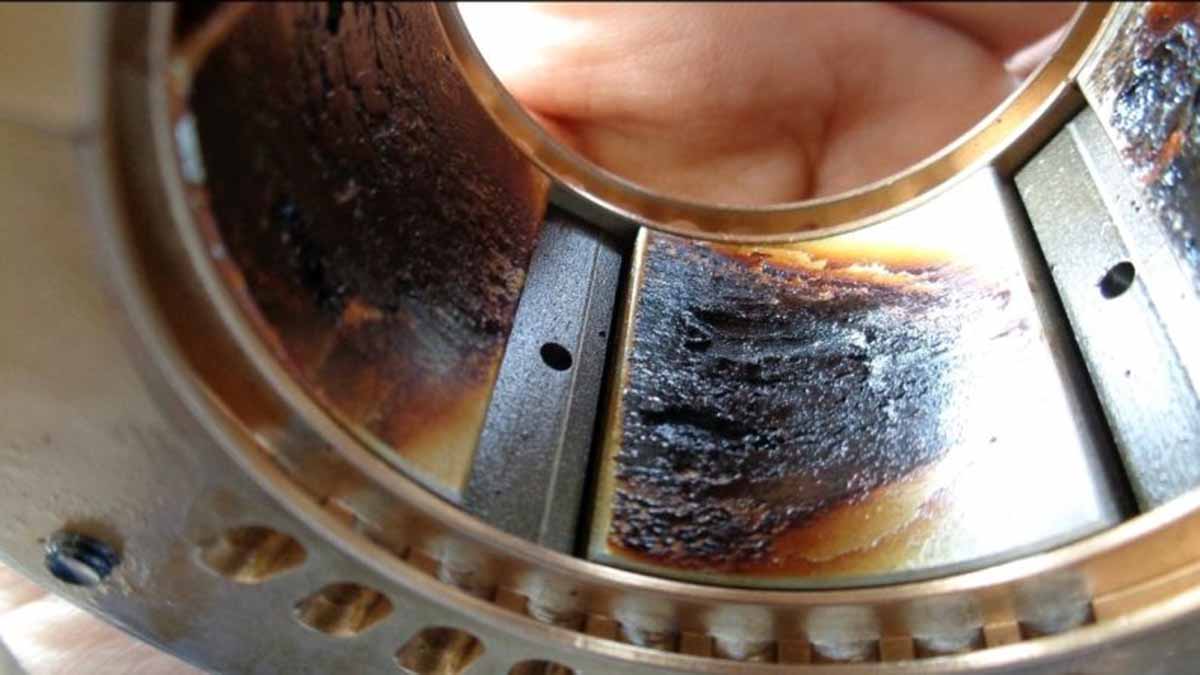
Lube Oil Varnish Detection and Control
Varnish is a type of deposit that forms on the surface of equipment in lubrication systems. It is caused by the oxidation of the base oil and the buildup of additives in the oil over time, forming a sticky, varnish-like substance. Lube oil varnish can cause problems...
How Grease Analysis Helped Expose a Hidden Plant
Those who have worked in or around maintenance and reliability have probably heard about the hidden plant. This term refers to that portion of the productivity of any industry that, for some reason, is wasted and goes completely unnoticed in the eyes of the...
Expand Your Lubricant Condition Monitoring Program to Unlock More Benefits
If you’re like many maintenance and reliability professionals, oil analysis is a simple routine: Take oil samples from your machines periodically. Take action if the results are flagged yellow or red. Continue to use the lubricant if the results are green. While this...
Grease Analysis: Achieving Sustainability in Asset Management
Oil analysis has a strong history of being incorporated into maintenance strategies to optimize lubricant life and protect oil-lubricated assets from wear and damage. Grease-lubricated components, which are much more widely present, are often neglected from...