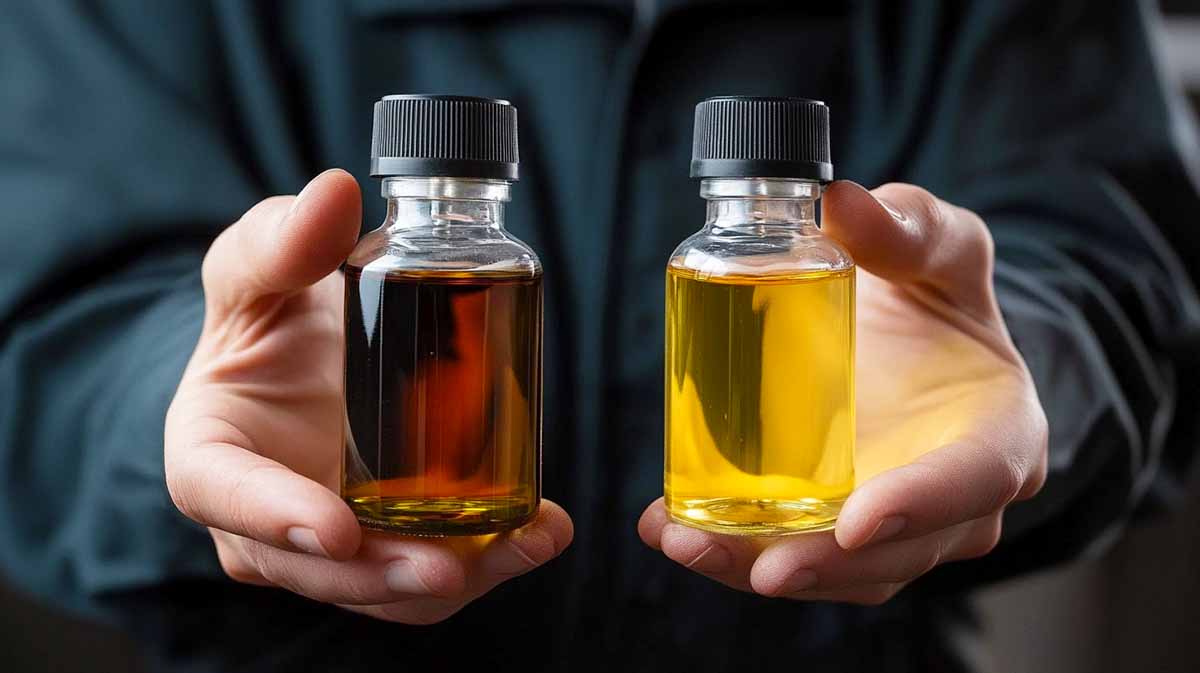

As temperatures drop in the winter, the impact on equipment performance can be substantial. In extreme cases, such as remote mining operations in Alaska, where temperatures plunge to dangerous lows, equipment can experience immediate oil thickening within minutes of...
Articles
How Hidden Contaminants Lead to Machine Failures and Downtime
If a machine is to provide service life past its warranty stage, its designer must envision and consider all operating conditions under which it will operate in the field. For example, to mitigate the effects of severe and semi-severe conditions, the design must be...
Stop Guessing: How to Determine the Right Oil Change Interval
Lubricants encounter negative influences throughout their working life, including load-induced shear stress, thermal degradation, water contamination, aeration, wear metal catalyzing, and contamination from dirt, chemicals, and incompatible lubricants and fluids....
Downtime Disaster: The Lubricant Mix-Up That Shut Down Production
Lubricants are the lifeblood of machinery, and every decision, from selection, purchase, storage, dispensing, and health management, plays a critical role in ensuring the reliable operation of essential machines. A minor oversight can lead to significant downtime,...
Precision Spotlight with Scott Selting
Welcome to Precision Spotlight, our fresh Q&A series in which we spotlight industry professionals and delve into their insights and experiences in the world of lubrication. In this Precision Spotlight, we interview Scott Selting, one of our Editorial Advisory...
Enhancing Oil Sampling Programs with Targeted Performance Metrics
Developing a robust oil sampling program can be a rewarding effort when these essential foundations are put in place: Meticulously selecting equipment to monitor with oil analysis, using a suitable criticality assessment. Setting the initial oil sampling frequency for...
Flash Point Explained: Why It Matters More Than You Think
In my experience, flash point is one of the most misunderstood numbers on a product data sheet. Most people ignore it, as it is rare for oil system temperatures to approach the flash point range (typically >200°C). When it does become a concern, there is often...
How to Calculate the Viscosity Index of a Lubricant
Calculating a lubricant's Viscosity Index (VI) requires understanding how the viscosity changes with temperature. The VI is a numerical value that indicates how stable a lubricant's viscosity is with temperature changes. A higher VI means the lubricant maintains its...
How to Calculate the Beta Ratio of Your Oil Filter
Calculating the beta rating for an oil filter involves understanding how effective the filter is at removing particles of a certain size from a fluid. The beta rating is a standard measure used in filtration to quantify the filter's efficiency, specifically its...
Why Bearings Fail: Lubrication Mistakes Cause 70% of Breakdowns
It's very much a lubrication issue. To prevent two metal surfaces from welding due to excess friction, keep them apart when expected to interact. A suitable film of lubricating oil accomplishes that. Some 50 years ago, MIT Mechanical Engineering Professor Emeritus...