

Machinery Lubrication Level I — Pewaukee, WI
Four days of intensive training on industrial lubrication best practices — lubricant selection, storage, filtration, and application. Built for those pursuing MLT I / MLA I certification.
In a compressor oil, comparing a new sample with samples in service allows the progressive appearance of oxidation and thermal degradation byproducts to be monitored. This reference methodology is especially useful because each formulation has its own spectral fingerprint — what matters is not only the absolute spectrum but also the change from the original base oil, measured in the oil’s areas and peaks.
Comparing the new sample with used samples makes it easier to detect variations in bands associated with oxygenated functional groups. In the mid-infrared carbonyl region, an increase in absorbance typically reflects the formation of aldehydes, ketones, esters, and carboxylic acids — all related to lubricant oxidation.
This approach allows interpretation of whether the oil is in an early, intermediate, or advanced phase of aging — providing actionable insight at each stage rather than waiting for a functional failure to confirm what the chemistry already knew.
Early Oxidation of the Oil and Evidence of Thermal Degradation
One of the great strengths of FTIR is its ability to detect oxidation early — before the oil reaches a clearly out-of-service state. In compressor oils, this is critical because elevated temperature favors the formation of intermediate species that are then transformed into more aggressive compounds for the system.
Oxidative degradation usually begins with radicals and intermediates that ultimately form aldehydes and ketones. These species can be observed indirectly as changes in the carbonyl zone of the spectrum. Over time, some of these products evolve into carboxylic acids, which increase the oil’s acidity and accelerate corrosion, autocatalytic oxidation, and deposit formation.
Thermal Degradation: The Dimension Standard Labs Often Miss
In compressors with high discharge temperatures, FTIR can detect thermal degradation, not just oxidative. The appearance of byproducts such as lactones is especially relevant — they are associated with advanced thermal degradation pathways and the transformation of oxidized compounds into more complex cyclic structures. A laboratory that reports only an oxidation value from FTIR is discarding this dimension entirely.
The advantage of a reference spectrum is that any increase or modification in the bands is more clearly appreciated. If later samples exhibit more intense behavior than the initial ones, it suggests progression of thermal-oxidative aging. In other words, FTIR not only indicates that the oil has changed — it helps understand how it is changing.
What makes FTIR a truly diagnostic tool is the comparison with a reference sample. A single spectrum tells you what is there. The differential tells you what has changed — and at what rate. The trend is the diagnosis.
Two Compressor Case Study
Two compressors at the same facility. Identical operating conditions. Two very different analytical outcomes — because of how their FTIR data was used.
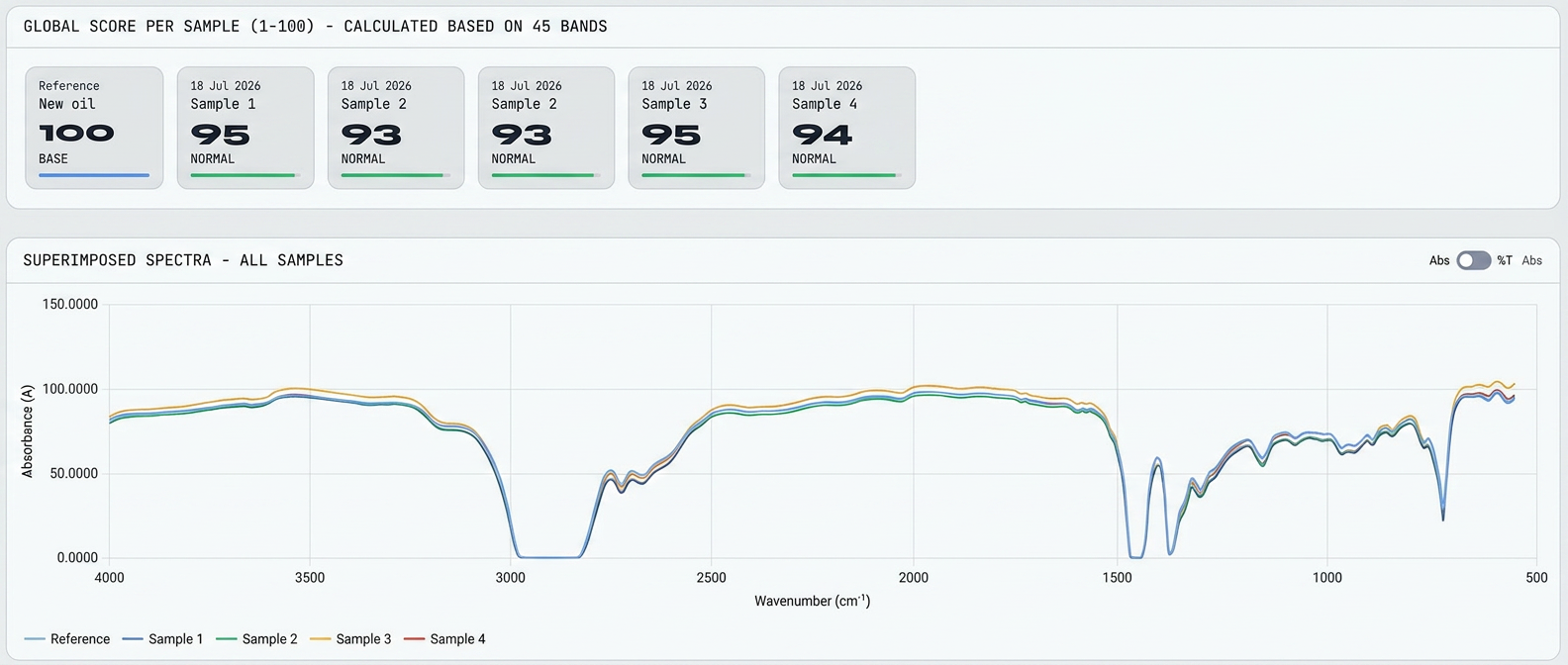
Figure 1: FTIR spectra overlay — all service samples vs. reference oil (OILMIRROR)
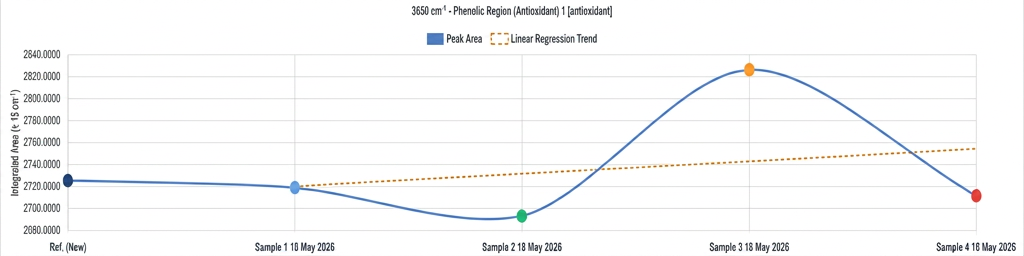
Figure 2: Trend of most drastic spectral changes across service samples (OILMIRROR)
Advanced Analysis Using OilMirror
About OilMirror
OilMirror, developed in 2024, applies advanced infrared spectral analysis across the full IR band to detect anomalies and reaction products that alter a lubricant’s chemical composition. It translates this complexity into an intuitive global health index, or a set of focused indicators tailored to specific spectral regions. Designed for asset owners, consultants, and reliability teams, OilMirror empowers lubricant end-users with deep, lab-grade insights — without requiring laboratory expertise.
The FTIR data from the second compressor was uploaded to the OilMirror tool, which analyzes spectra and issues partial results for each FTIR area and peak, as well as a global oil status and a series of recommendations for the compressor maintenance team.
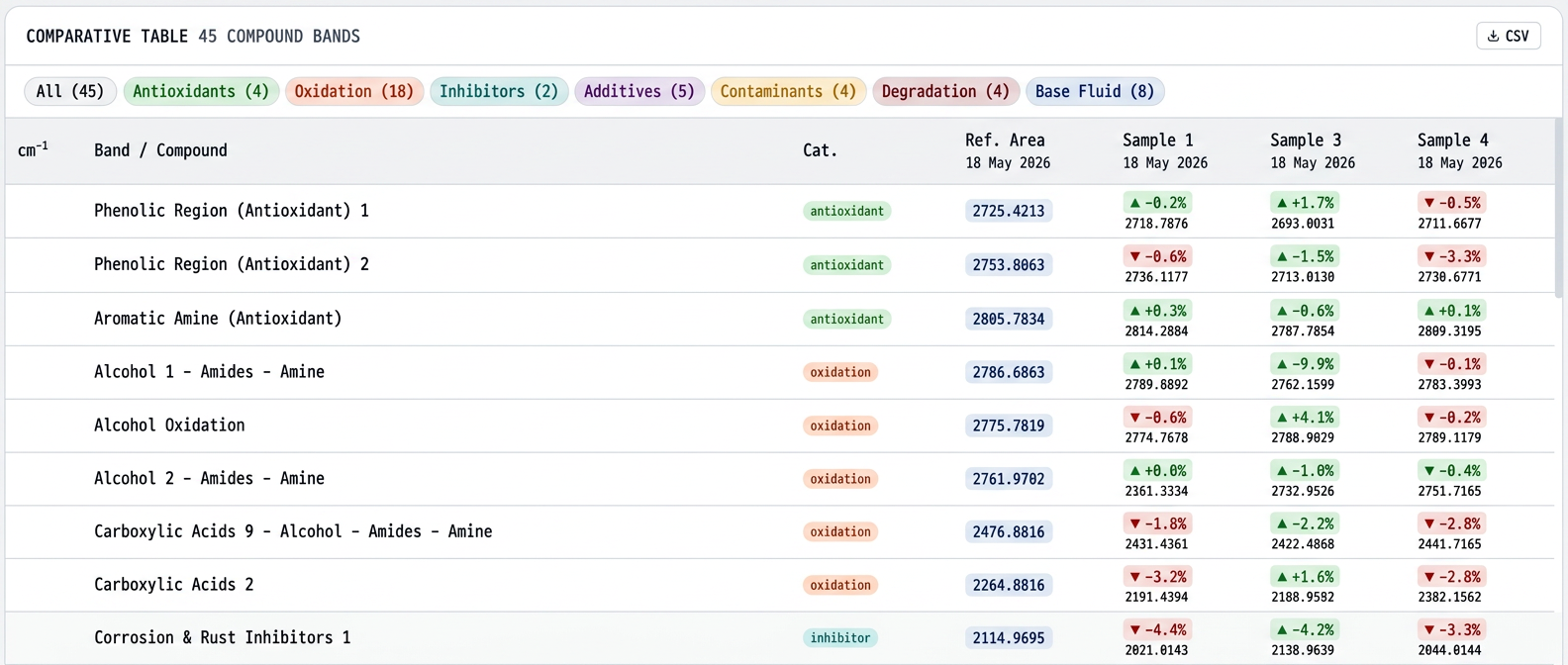
Figure 3: Per-area and per-peak evaluation scores across service samples (OILMIRROR)
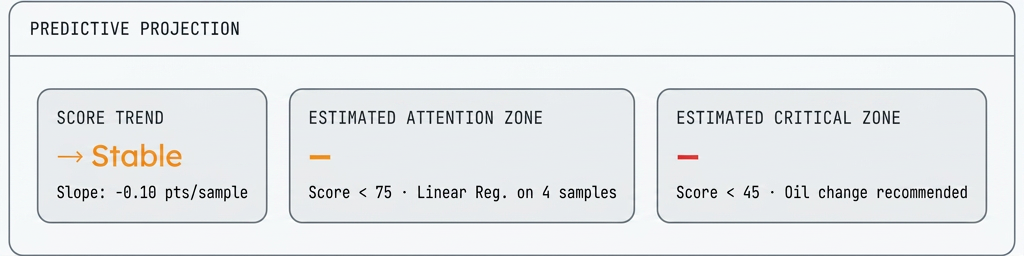
Figure 4: Global Condition dashboard output (OILMIRROR)
Value for Predictive Maintenance
In industrial compressors, detecting oil degradation in time has a direct impact on equipment reliability. An oil that begins to degrade can lose lubricating capacity, generate deposits in valves and hot areas, and accelerate wear on critical components. FTIR should therefore be treated as a predictive maintenance tool — not a laboratory control metric that gets filed away after the report is received.
The Differential Methodology: Why the Reference Sample Is Non-Negotiable
FTIR without a reference sample is like reviewing a patient’s lab results without a baseline. A single spectrum tells you what compounds are present — but it cannot tell you whether they are increasing, stable, or appearing for the first time. The reference sample is what transforms FTIR from a measurement into a diagnostic tool. Without it, you are reporting; with it, you are monitoring.
Some Final Comments
FTIR applied to industrial oils is a valuable technique for anticipating lubricant degradation. Its ability to identify the formation of aldehydes, ketones, and other oxidation byproducts early — before they evolve into carboxylic acids — is what makes it genuinely predictive rather than merely confirmatory.
The differential methodology also facilitates the detection of signals compatible with lactones and other compounds derived from thermal degradation, which significantly expands the diagnostic scope of the analysis beyond what oxidation value alone can capture.
In air and gas compressors, where thermal and oxidative stress is high, this ability to anticipate is decisive for planning oil changes, avoiding premature failures, and preserving the integrity of the equipment.
FTIR Should Not Be a Confirmatory Test — It Should Be a Leading Indicator
Always analyze against a reference oil sample — the differential is the diagnosis, not the absolute spectrum.
Require full-band analysis — not just an oxidation value. Thermal degradation markers such as lactones require broader spectral coverage.
Track trends across multiple samples — a single FTIR snapshot misses the trajectory. The trend is what drives maintenance decisions.
Combine FTIR with complementary techniques — viscosity, TAN, particle counting, and wear analysis — to distinguish chemical aging from active mechanical degradation.
A Question Worth Asking Your Laboratory
Do you still work with a laboratory that only reports oxidation as a parameter of the FTIR analysis? Are you sure of its real value to your maintenance decisions?
The technology to see lubricant degradation before failure exists. The question is whether the analytical program around it is designed to use it — or merely to generate a report.
Author