
In the most basic of terms, an electric motor is a simple device that converts electrical energy into rotary motion that, when transmitted to a driven load, will perform mechanical work. If applied correctly, the motor will run effortlessly. If set up correctly, the...
Articles
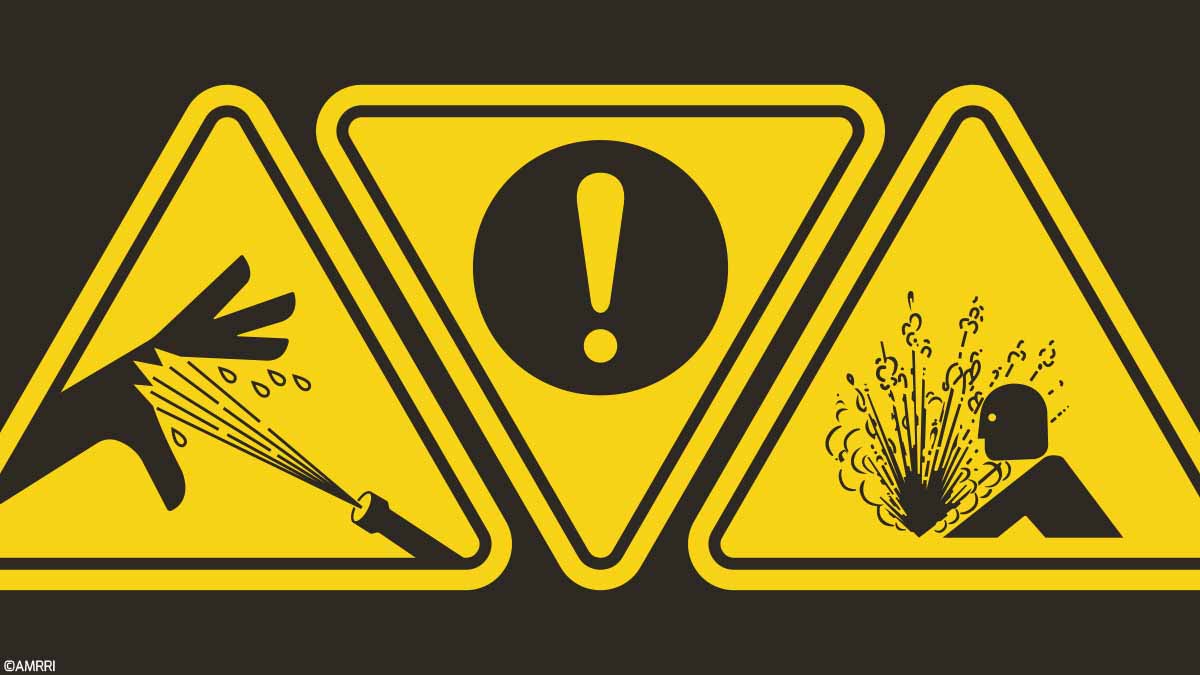
From Grease Guns to Hydraulics: Understanding Pressurized Fluid Hazards
Safety in the workplace is paramount. Few people would disagree with this statement, especially working professionals in the maintenance and lubrication fields, who are primarily well-trained in this area. When it comes to handling and transferring chemicals and...
Kinematic vs Dynamic Viscosity: What’s the Difference?
It is often stated that viscosity is the most important property of a lubricant, and with good reason. Film thickness—the separation between moving machine surfaces—is primarily dictated by the lubricant's viscosity under operating loads, speeds, and temperatures. For...
Why Grease Analysis is Essential for Predictive Maintenance Success
Grease has been used since ancient times, and new technologies and equipment design require us to improve our understanding and perception of it. These advancements enable those working with grease to recognize better its impact, effective properties, and the proper...
AMRRI and Services to Engineering Announce Strategic Partnership for Chile
AMRRI, a leader in precision lubrication solutions, and Services to Engineering (S2E), are pleased to announce a strategic partnership aimed at enhancing equipment reliability and operational efficiency across industries in Chile. This collaboration grants S2E rights...
The Overlooked Role of Lubricants in Achieving Better Fuel Economy
Fuel economy is a crucial aspect of modern vehicle maintenance and fleet management. With rising fleet fuel costs and ever-tighter environmental regulations, achieving better fuel efficiency has never been so important. The lubricant in use is often an overlooked...
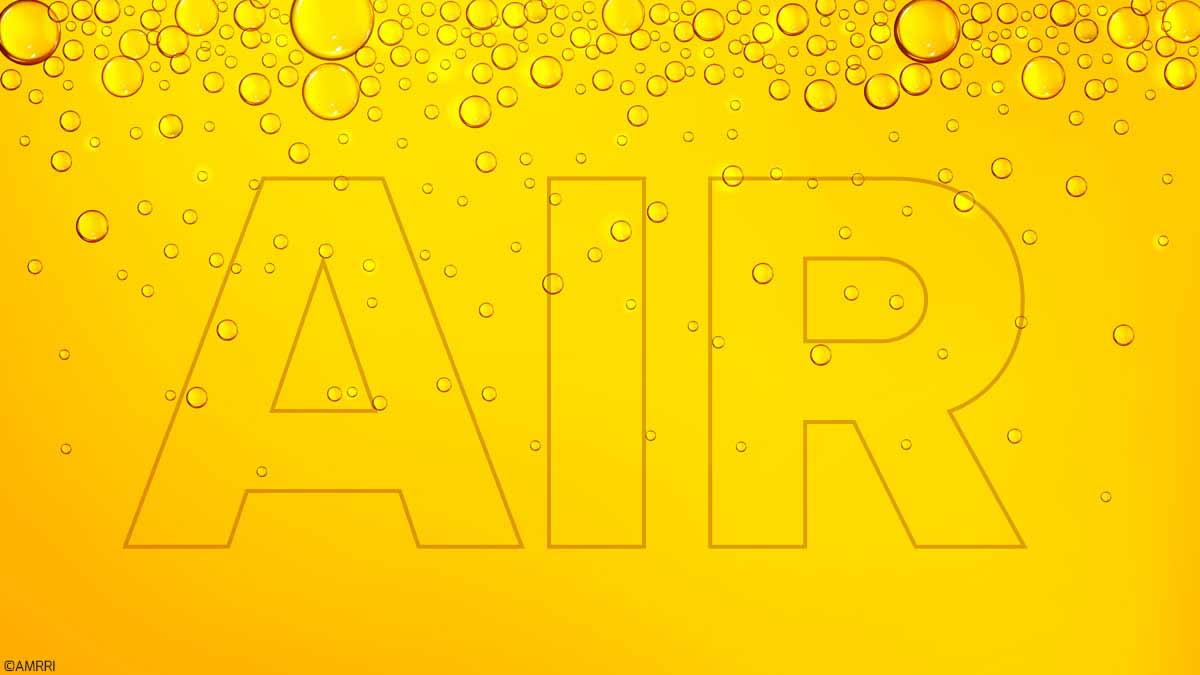
Air in Oil Contamination: Causes, Effects, and Solutions
Many people emphasize the impact of particle and moisture contamination on equipment reliability, but few consider how air might affect their equipment. While usually benign, excessive air entrainment can lead to many issues, including rust, cavitation, oil leakage,...
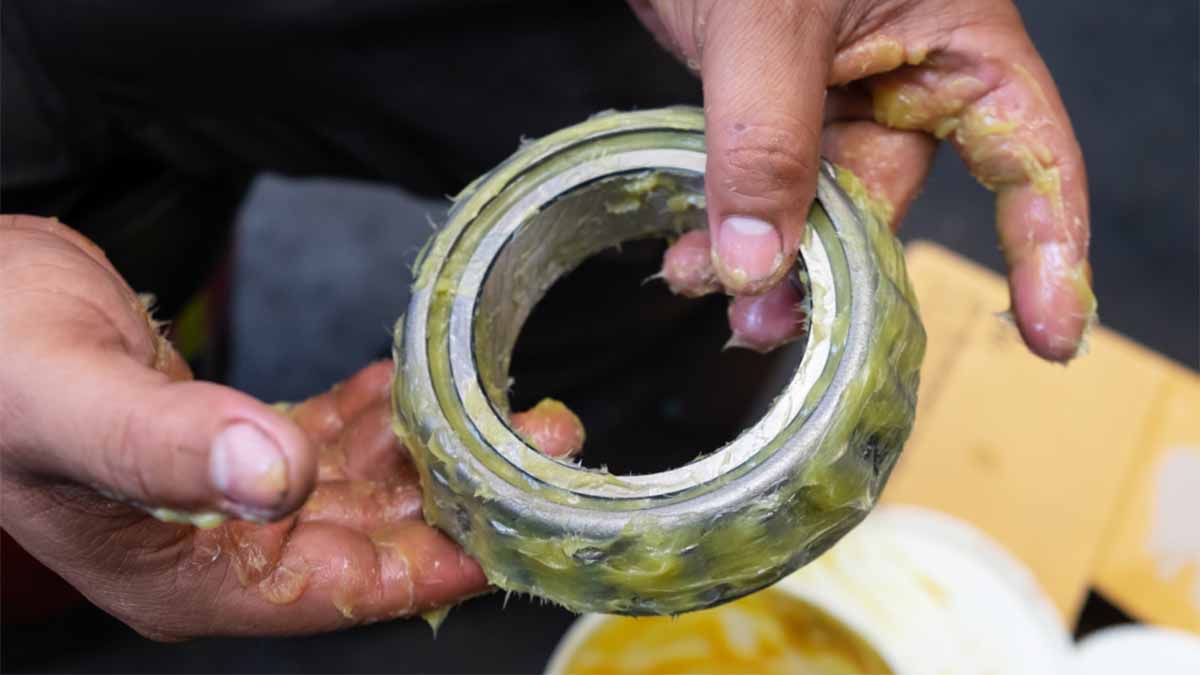
Mastering the Grease Gun: Essential Practices for Effective Lubrication
Grease guns seem simple enough. But how well do you know yours? Do you know how to correctly cartridge and bulk load your gun? Do you know how to expel trapped air from it? Do you know its shot size in cc or cu in (e.g., in cubic centimeters or cubic inches)? Do you...
How to Leverage Grease Analysis and Ultrasound for Powerful Results
Years ago, I had my first encounter with one of the predictive maintenance technologies. Since then, I have seen its potential, especially when combined with other PdM tools. Airborne ultrasound for bearing inspection is probably one of the simplest, most versatile...
Defoamants, Dispersants, and Detergents in Lubricants: A Complete Guide
Additives can enhance, suppress, or add new properties to oils. Defoamants, dispersants, and detergents are no exceptions. This trio of additives can be found in most finished lubricants, albeit in varying ratios. Let's discuss the main differences among these three,...