
Microdieseling is a term often associated with changes in lubricant color and the formation of harmful byproducts within lubricated systems. It occurs when microbubbles of air (smaller than 5 microns) in the lubricant transition from a low-pressure environment to a...

Articles
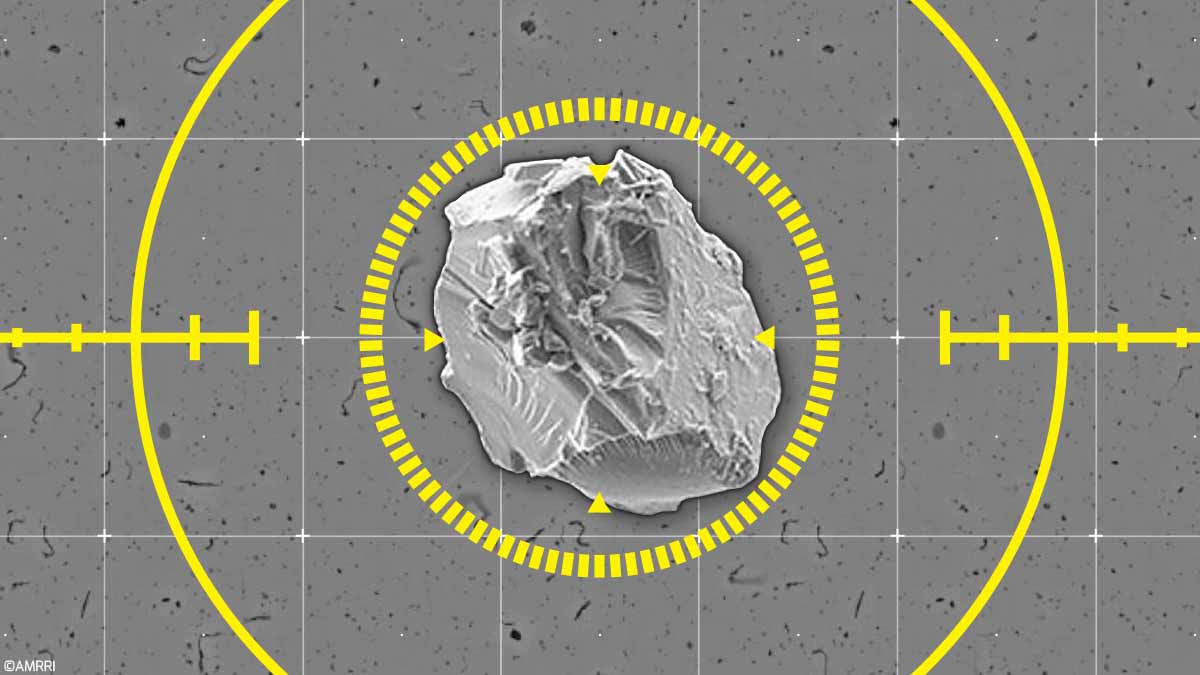
Contamination Control: Improve Cleanliness, Prevent Failures with Particle Count
Contamination within lubricants circulating through equipment can range from air, water, or, the most damaging, particles. The most common cause of equipment failure is particle contamination in the lubricant, and, specifically, 80% of hydraulic system failures can be...
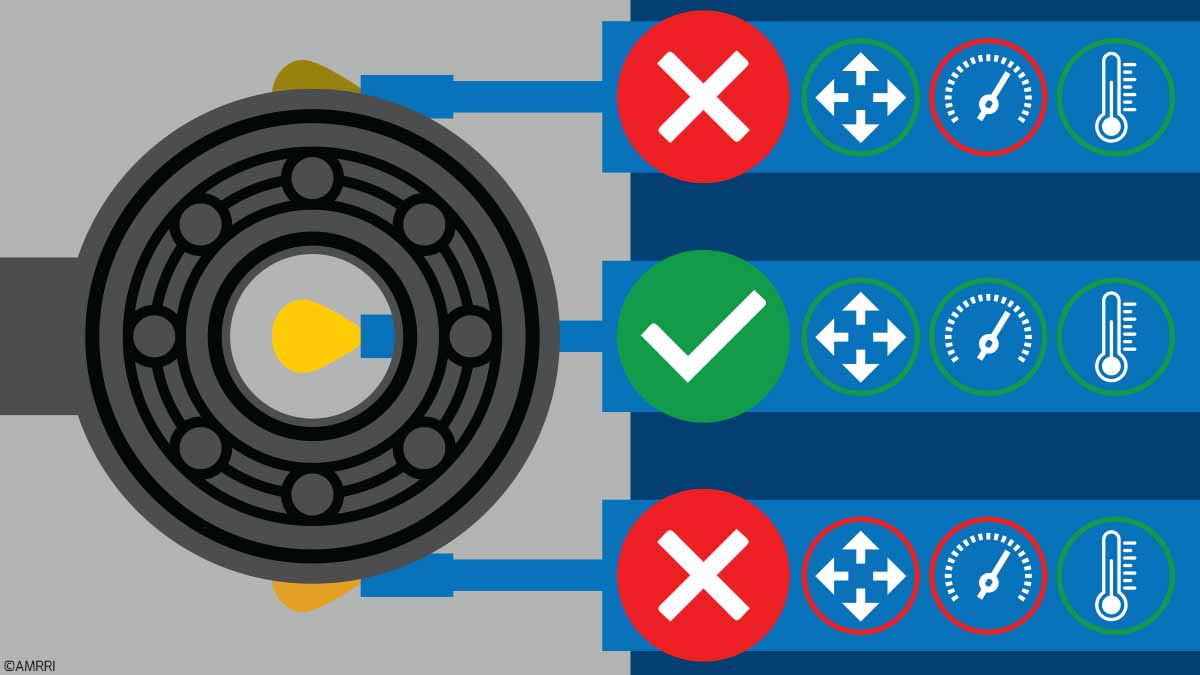
Lubricating Grease: Types, Selection, and Compatibility
In most industrial facilities, over 50% of all lubrication points are lubricated with grease instead of oil. Don't believe me? Just count the number of electric motors in your plant. Unlike most oil-lubricated assets, where OEM recommendations provide at least a...
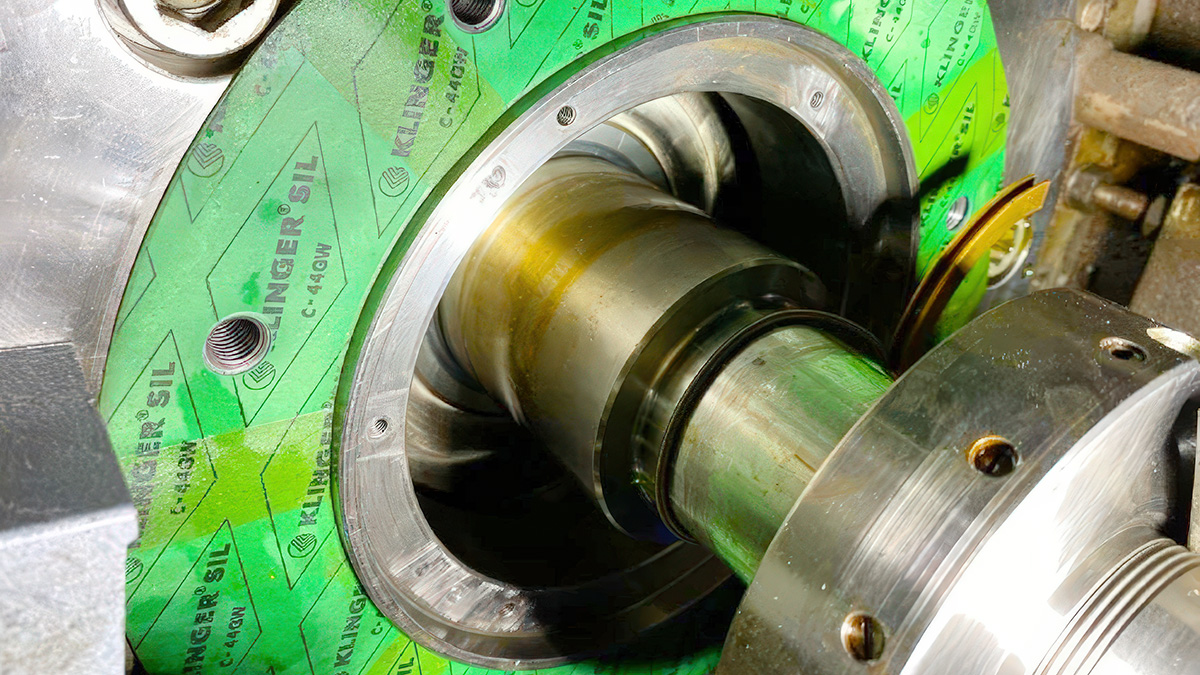
How to Extend Bearing Life with the Right Lubricant Choice
All machines with moving parts have bearings of some type. The bearings may be as simple as flat surfaces working against other flat surfaces, such as the slideway in a machine tool, or they may have sophisticated geometries like a ball screw. Plain and element...
Dissolving Downtime: How Solubility Enhancers Prevent Refinery Shutdowns
Whether we realize this or not, oil refineries are critical in our everyday lives. They convert crude products into diesel, gasoline, LPG, and plastics. The equipment in this plant must withstand very high temperatures, sometimes over 500°C (in the distillation unit)....
Oil Consolidation Reimagined: The 5S Method for Smarter Lubrication Practices
When we walk into a pharmacy, there are thousands of items. Some of them do the same job but have different names and price points, while others are specialty items designed to solve a particular problem at a slightly elevated price point. Some of these may not be...
Essential Strategies for Natural Gas and Biogas Engine Lubrication
The global natural gas and landfill gas engine market is growing at annual compound rates of 6% to 8%, and these segments are expected to increase their share in the coming years, supported by technological advances and circular economy policies. Currently, and...
Lubrication’s Hall of Fame: Meet the Top 10 Pioneers
In 1966, at the height of the "swinging sixties" movement, the world of lubrication, friction, and wear finally received worldwide recognition as a scientific entity responsible for continued machine health and asset longevity. In retrospect, such recognition was long...
The Humble Grease Nipple: Still Essential After 100 Years
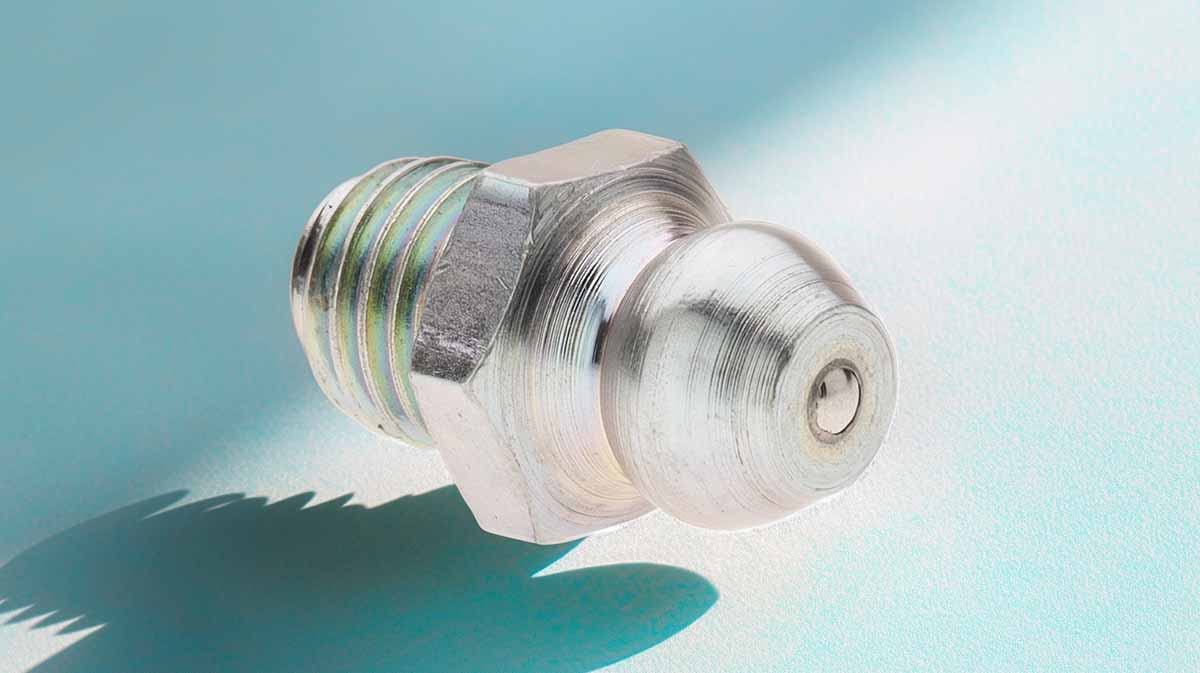
The lowliest and most ubiquitous device in the world of lubrication recently celebrated its centennial anniversary. Designed as a simple yet efficient mechanical gateway device, the grease nipple has only one job: to connect to a manual grease-delivery gun and provide...
How Machine Learning is Redefining Fluid Analysis for Predictive Maintenance
Traditional fluid analysis relies on pre-set flagging limits to evaluate the severity of a sample. These limits, refined over time through statistical analysis, provide a baseline for assessing whether test results indicate any maintenance needs. If a sample falls...