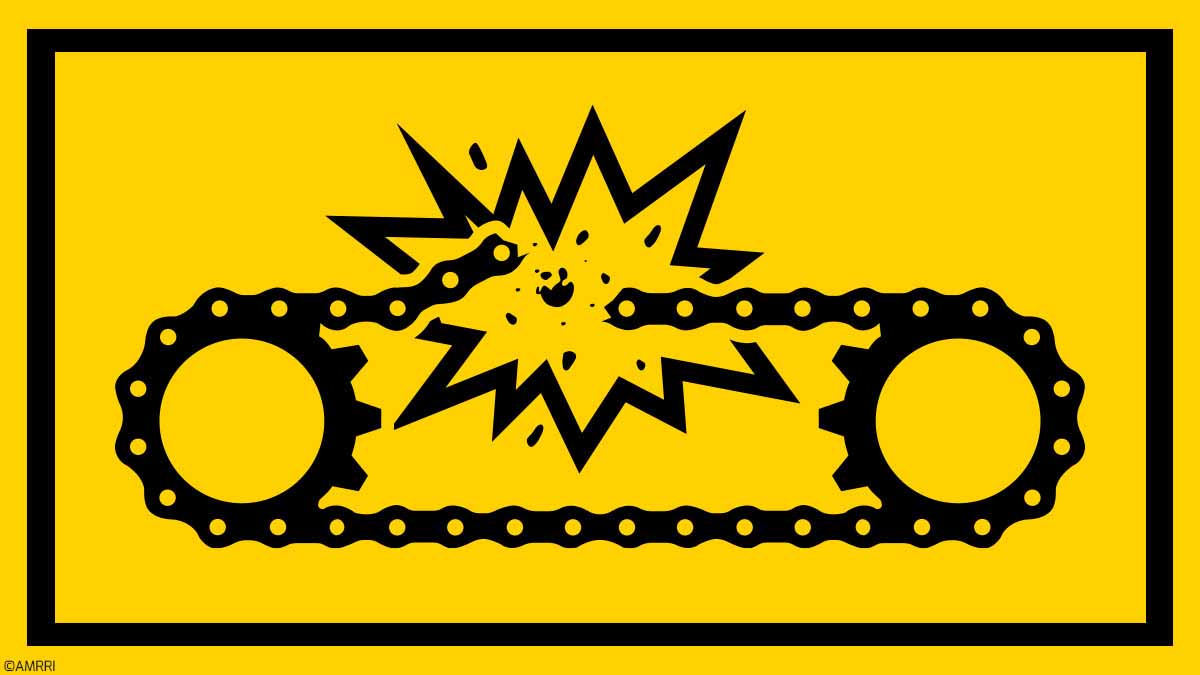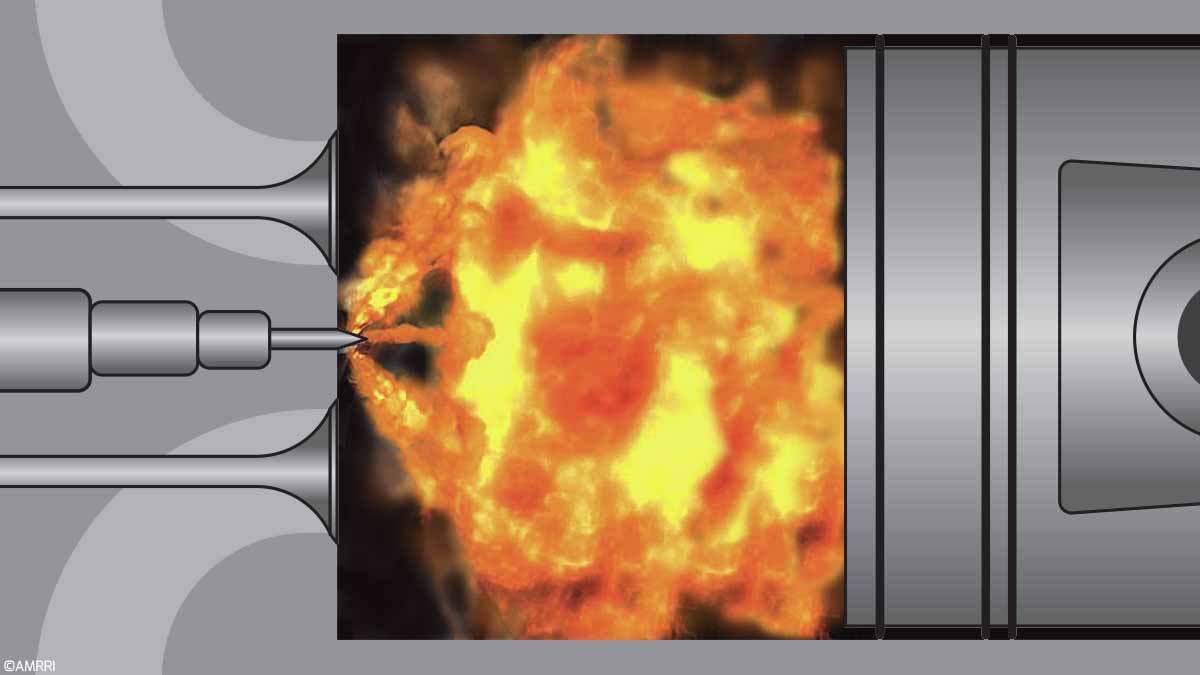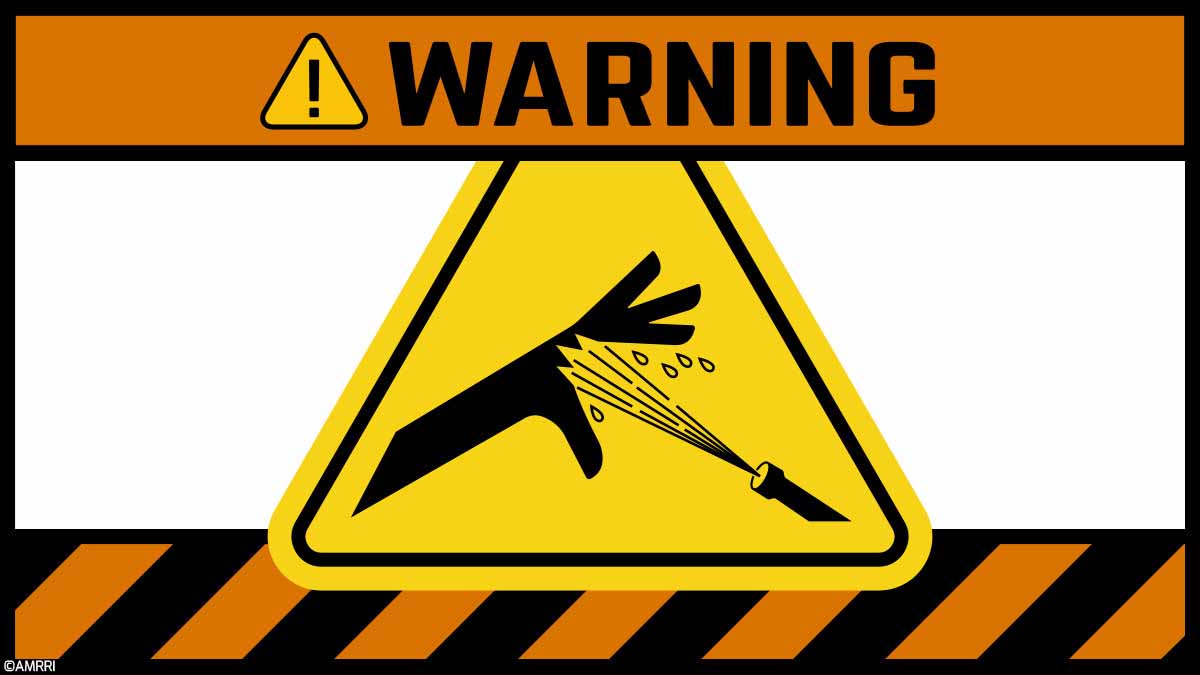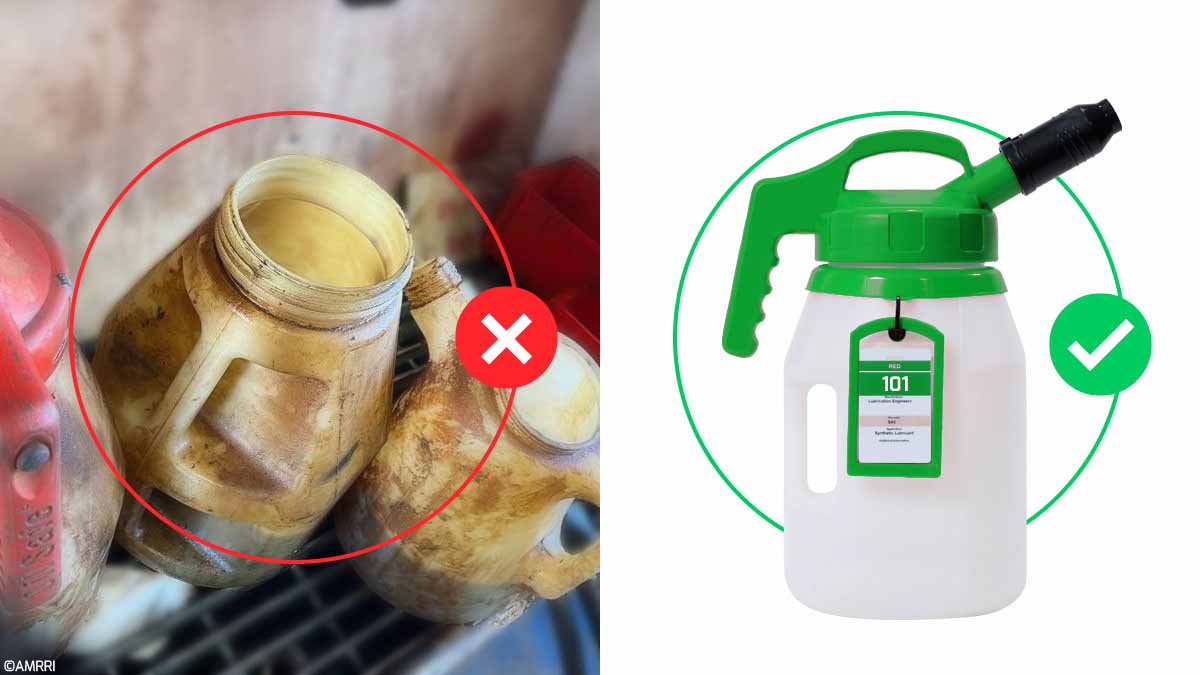

If a machine is to provide service life past its warranty stage, its designer must envision and consider all operating conditions under which it will operate in the field. For example, to mitigate the effects of severe and semi-severe conditions, the design must be...
Articles
Machine Mapping: Charting Assets for Remarkable Reliability
Making sense of any production or maintenance workflow, process, or procedure requires a textual map in the form of a diagram, visual representation, or an ordered text list that shows or describes the relative position of the parts of something. Maintenance teams...
Antiwear Additives: Types, Mechanisms, and Applications
As the name suggests, antiwear additives help to prevent wear in one way or another. However, what makes them unique compared to other additives in lubricants? Why are they used more predominantly in specific applications than other applications? This article explores...
Automatic Lubrication: Benefits, Drawbacks and Best Practices
In most industrial facilities, many lubricant application tasks are performed manually using either a grease gun, an oil can, an oil top-off container, or an aerosol spray. Done correctly, manual lubrication can be an efficient and effective way to keep smaller...
Why Bearings Fail to Reach Expected Lifespans
At an industrial level, bearings are, without a doubt, the most widely used assets in all sectors and allow a lot of critical and non-critical equipment to remain in service. Depending on the source consulted, the first wooden bearings that were discovered date back...
The Bottom Line of Reliability: Fluid Analysis Cuts Maintenance Costs
Fluid analysis is a powerful tool in the preventive maintenance toolbox of many equipment and maintenance managers in industries ranging from construction to aggregates to mining to marine. Efficiently managed programs provide considerable benefits that translate...
Strategic Lubricant Management for Non-Circulating Sump Systems
Lubricant management could mean different things to different people within a facility. The maintenance planner or lube crew supervisor may view lubricant management as the process that assures all the machines scheduled for level checks, replenishment, and oil...
Case Study: Gearbox Condition Monitoring with Wear Debris Analysis
Wear monitoring is one of the primary objectives of oil analysis for predictive maintenance. Many oil analysis tests are considered suitable for wear debris analysis, and some, like elemental analysis and Wear Particle Index, are recommended within routine analytical...
Real-Time Turbine Oil Condition Monitoring with Mid-Infrared Sensor Technology
Condition monitoring sensors for lubricants have been an established technology for numerous decades, playing a vital role in safeguarding some of the most essential machinery worldwide, including their incorporation into certain premium automotive models. However, it...
How Onsite Oil Analysis Supports Offshore Rigs
For years, rig operators have used oil analysis as an essential tool for routine maintenance and future cost avoidance. On oil rigs, equipment failures risk employee safety, and missed production targets are realized very quickly. The remote locations of offshore rigs...