

By Bryan Debshaw, POLARIS Laboratories®
Most maintenance and reliability programs today recognize the value of oil analysis for rotating equipment. From gearboxes and hydraulics to turbines and compressors, fluid analysis provides critical insight into asset health, helping teams identify contamination, degradation, and developing failures before they lead to costly downtime.
But what about the electrical assets that keep those same facilities running?
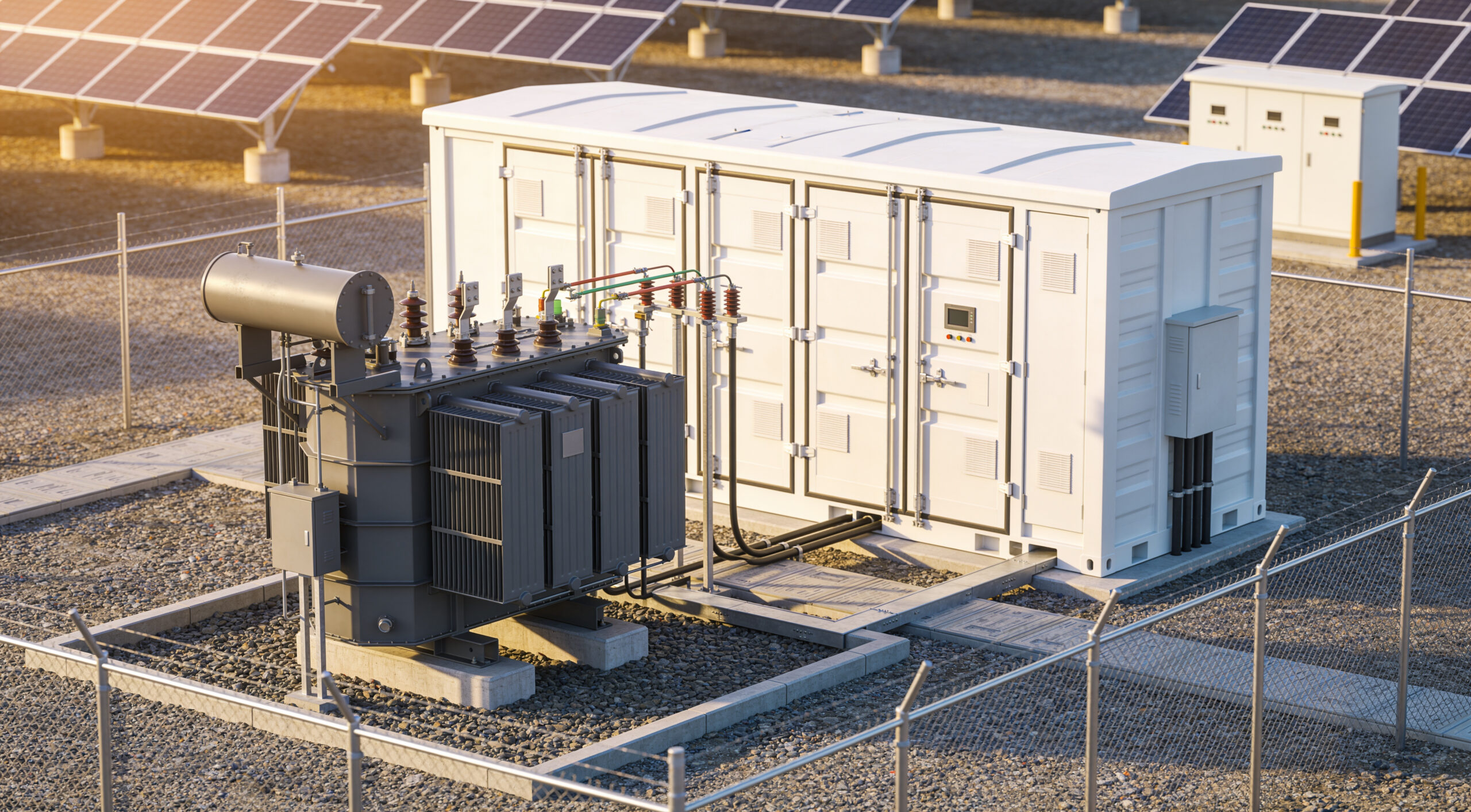
Transformers are among the most critical (and often least monitored) assets in many industrial and manufacturing environments. In these operating environments, a transformer failure can have significant consequences, including lost production, costly repairs, and unplanned outages. While many facilities actively monitor the condition of lubricated equipment, transformers are frequently overlooked until a problem occurs.
The reality is that transformer oil analysis applies the same condition-monitoring principles that reliability professionals have trusted for decades in lubricated systems.
Oil as a Diagnostic Tool
Just as lubricating oil provides valuable insight into the condition of a gearbox or hydraulic system, transformer oil serves as a diagnostic medium for electrical equipment.
Transformer oil performs two critical functions: 1) cooling internal components and 2) providing electrical insulation. Over time, moisture, contaminants, oxidation, and electrical stresses can affect both the fluid and the transformer itself. By routinely sampling, testing, and analyzing the oil, maintenance and reliability teams gain visibility into conditions that cannot be observed through visual inspection alone.
In many cases, changes in oil condition can provide early warning signs of developing issues long before they result in equipment failure or outages.
What Transformer Oil Testing Can Reveal
Routine transformer oil analysis can help identify a variety of conditions that impact reliability and performance.
Moisture Content
One of the most important indicators of transformer health. Excess moisture can reduce insulating properties, accelerate aging, and increase the likelihood of electrical failures.
Dielectric Breakdown Voltage
Measures the oil’s ability to withstand electrical stress without failure. Low breakdown voltage can indicate contamination, moisture intrusion, or fluid degradation.
Dissolved Gas Analysis (DGA)
Identifies gases generated by thermal and electrical faults occurring within the transformer. By monitoring dissolved gases in the oil, maintenance and reliability teams can detect early warning signs of overheating, arcing, partial discharge, and insulation deterioration before they develop into costly failures.
Additional testing can reveal oxidation, contamination, and other signs of degradation that may impact transformer performance and longevity.
When trended over time, these results provide valuable information that supports proactive maintenance decisions and helps organizations move away from reactive maintenance.
Bringing Electrical Assets into the Reliability Program
Reliability teams have long used lubricant analysis as a cornerstone of condition-based maintenance. Extending that same approach to electrical assets creates a more complete, comprehensive picture of equipment health.
For many facilities, transformers represent a significant concentration of operational risk. A failure doesn’t just affect the transformer itself—it can impact entire production lines, utilities, and plant operations. By incorporating transformer oil analysis into an existing condition monitoring strategy, organizations can improve visibility into asset health and address issues before they escalate.
The result is a more proactive maintenance approach that helps:
- Detect developing problems earlier
- Reduce the risk of unplanned outages
- Improve asset reliability
- Support predictive maintenance, planning and scheduling
- Extend equipment life
Expanding Fluid Analysis Capabilities
Recognizing the importance of monitoring both mechanical and electrical assets, POLARIS Laboratories® is expanding its fluid analysis capabilities to include Transformer Oil Testing and Analysis.
The new offering is designed to help maintenance and reliability professionals apply the same proven condition-monitoring principles used for lubricants and hydraulic fluids to their critical electrical infrastructure. Testing may include evaluations such as moisture content, dielectric breakdown voltage, resistivity, dielectric properties, and other analyses that provide insight into both fluid condition and transformer health.
Looking Beyond Rotating Equipment
The most effective reliability programs are built on visibility. While rotating equipment often receives the majority of condition monitoring attention, electrical assets deserve the same proactive approach.
By expanding oil analysis from lubrication to insulation, organizations can gain critical insight into transformer condition, better protect essential electrical infrastructure, and strengthen overall facility reliability.
Related Reading
- Justifying Your Oil Analysis Program: A Financial Perspective
- The Bottom Line of Reliability: Fluid Analysis Cuts Maintenance Costs
- How to Interpret Industrial Oil Analysis Data Like A Pro
- Why Condition Monitoring Demands More Than Vibration Alone Today
- Time-Based Maintenance vs Condition-Based Maintenance