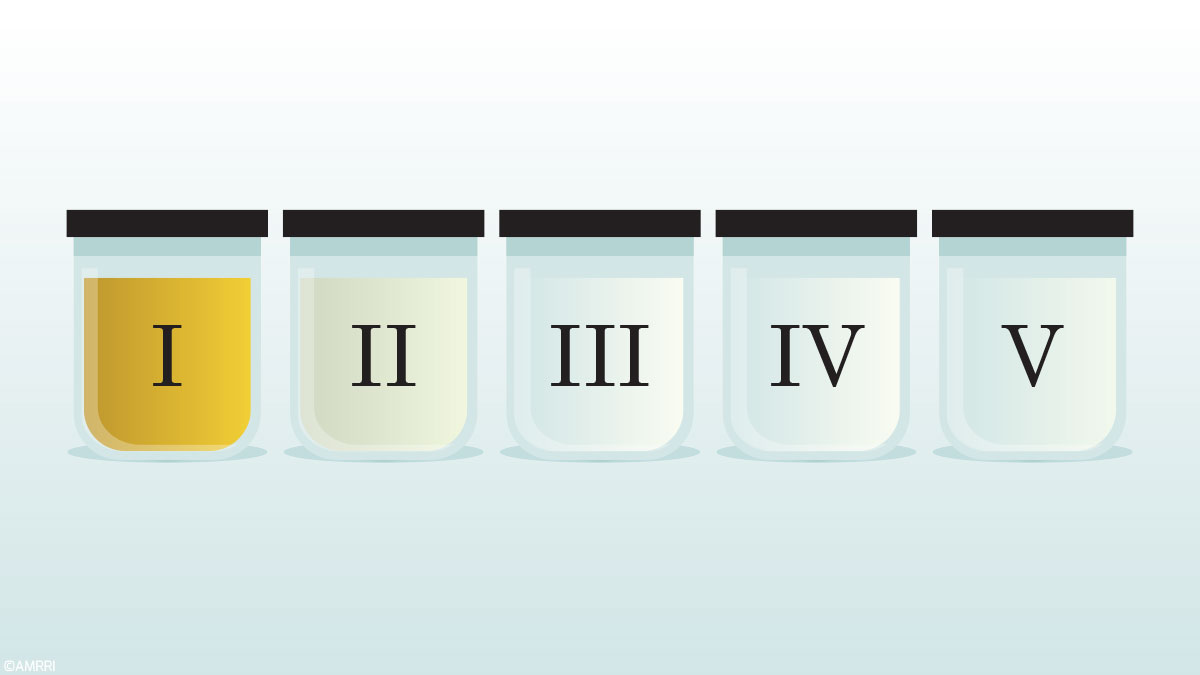

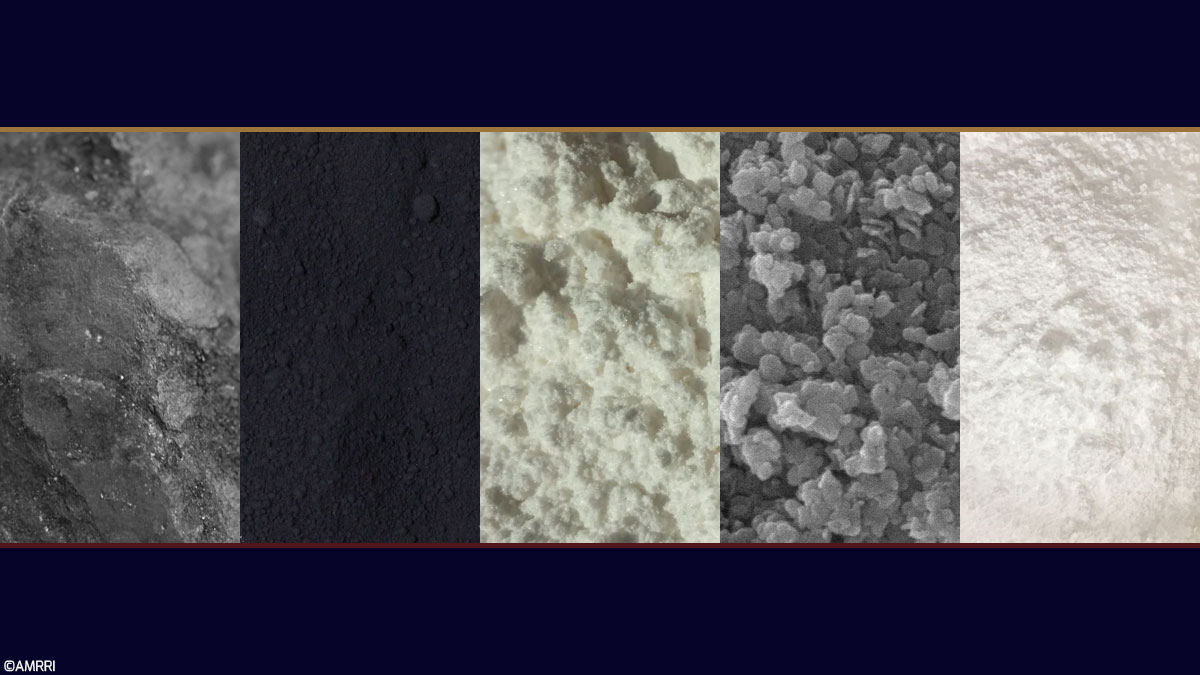
Just as there are various states of matter, there are different lubricant types. The four main categories are gas, liquid, cohesive (grease), and solids. In the industrial lubrication world, we deal with fluids and greases, but some operating environments make these...
Lubricants
Base Oils: An In-depth Look
What are Base Oils? Base oils are the starting material for producing lubricants, and their properties greatly influence the performance and characteristics of the finished lubricant. They are typically derived from crude oil but can also be made from synthetic or...
Open Gear Lubrication: How to Reduce Wear and Boost Reliability
In this brief video, Rafe Britton explains why open gear lubrication presents unique challenges and how to overcome them. Open gears are not enclosed within a housing and are subjected to harsh operating conditions making them more prone to wear and damage. They can...
Shell Acquires Allied Reliability
Pennzoil-Quaker State Company d/b/a SOPUS Products, a wholly-owned subsidiary of Shell USA, Inc. (“Shell”) that comprises Shell’s US lubricants business, has signed an agreement to acquire 100% of TFH Reliability Group, LLC, the parent company of Allied Reliability...
How to Color Code Lubricant Tags and Labels to Maximize Effectiveness
Using colored tags and labels to identify the proper lubricant for a machine is a common-sense way to help operators and lubrication technicians minimize errors and win at their job. When the wrong lubricant is put into a machine, it creates risks from both a...
Why Zinc Lubricant Additives are Now Under Attack
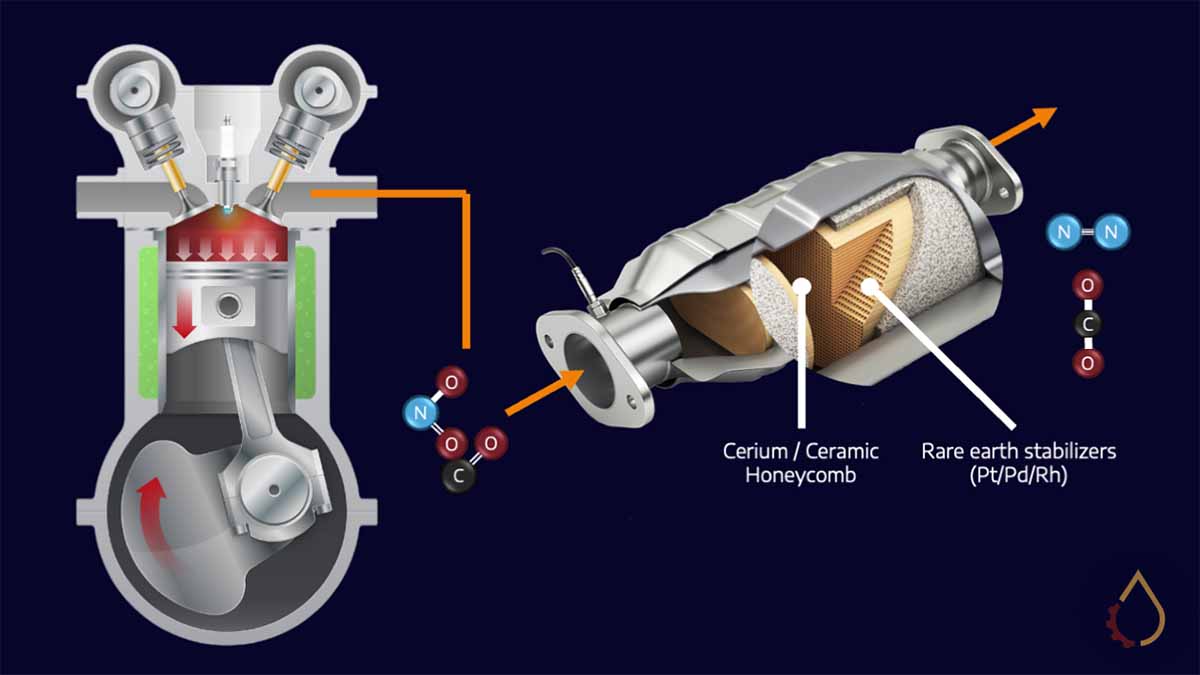
Zinc (also known as ZDDP, ZDTP or zinc dialkyldithiophosphate) is the most common lube oil additive. Patented in 1944, this molecular family has been used as low-cost, multifunctional additives in engine oils, transmission fluids, hydraulic fluids, gear oils, greases,...