
I was once asked, “Why are lubricants so different? Why can’t we simply buy a ‘one fits all’ oil and grease?” I explained that the old farmers' axiom, “Oil is oil, any oil will do,” may have had some merit 100 years ago, but it doesn’t now. In today’s world of...
Lubricants
Hydraulic Oil Basics: Functions, Types, and Performance Factors
Hydraulic systems are used to transmit force from one point to another via a fluid. This fluid is usually hydraulic oil, and the concept is based on Pascal’s law. Hydraulics are present in nearly all industries and play a critical role in enhancing operational...
How to Read Engine Oil Labels and Choose the Right Specification
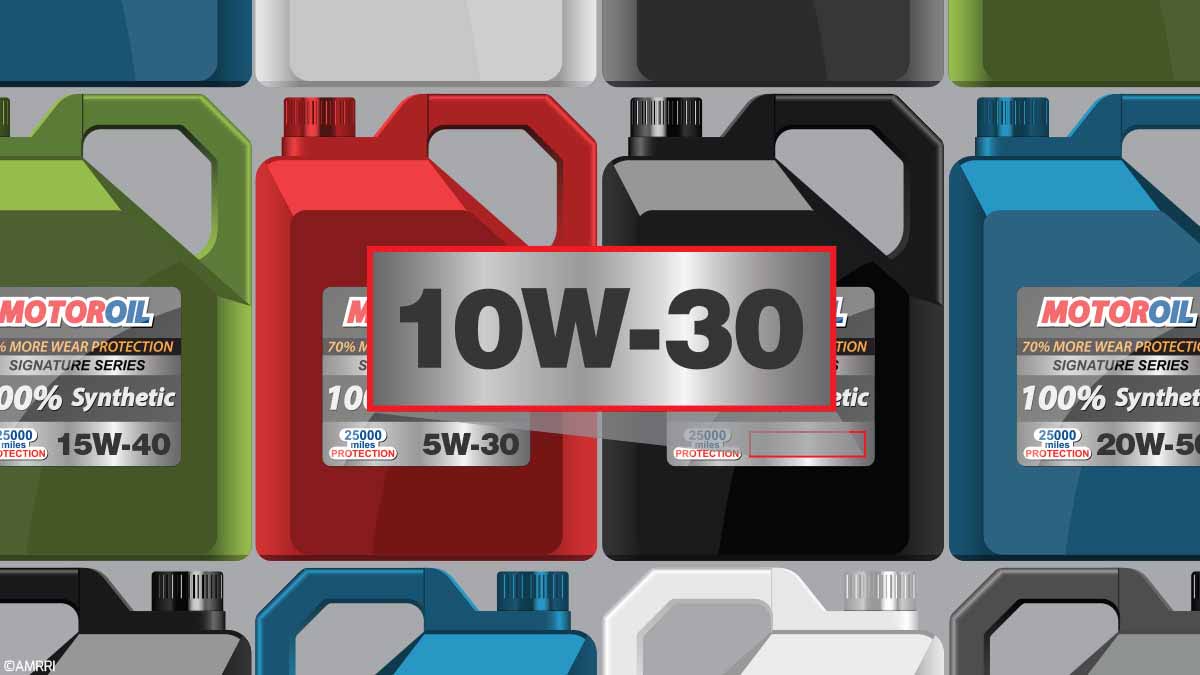
This article provides a detailed overview of the classification of engine oils in the context of two key parameters that determine their operational suitability: viscosity properties and quality standards. Classification of Engine Oils The basic criterion for...
Extend Turbine Oil Life and Stability with Targeted Replenishment
In the high-stakes arena of power generation, turbine oil life has always dictated the tempo of reliability. A century of operating experience taught plant engineers one brutal truth: once an oil’s antioxidant package collapses, varnish doesn’t politely knock—it kicks...
Why Oxidation and Thermal Stress Degrade Lubricants in Unique Ways
Lubricating oils play a critical role in rotating machinery's efficient and safe operation. However, these fluids are exposed to various factors that can deteriorate their performance over time. Two of the most common degradation mechanisms are oxidation and thermal...
Mixing Wind Turbine Gear Oils? Lab Results Say Proceed with Caution
The question of lubricant miscibility usually arises in the context of a product change or the need for a refill. The very asking of it demonstrates operational awareness and knowledge. However, the key to success is the right question and a precise and reliable...
Engine Oil Types and How to Choose the Right One
Engine oil is a lubricating fluid designed to reduce friction and wear between moving parts inside an internal combustion engine, while also cooling, cleaning, and protecting components from corrosion and deposits. While we may think that there are numerous car...
Lubricant Foaming: How to Diagnose and Eliminate the Problem
What is Lubricant Foaming? Lubricant foaming is a deceptively complex phenomenon often dismissed as mere surface bubbles on top of oil reservoirs. Yet seasoned lubrication engineers and tribologists understand the critical threat foaming poses to lubricant performance...
Lubrication Explained: Types, Functions, and Examples
What is Lubrication? Lubrication is the process of reducing friction, wear, and heat between moving surfaces by introducing a lubricating substance, such as oil or grease.The Purpose of Lubrication If you walk into any industrial facility, you will find lubricants....
Lubricating Grease: Types, Selection, and Compatibility
In most industrial facilities, over 50% of all lubrication points are lubricated with grease instead of oil. Don't believe me? Just count the number of electric motors in your plant. Unlike most oil-lubricated assets, where OEM recommendations provide at least a...