
Lubrication analysis plays a vital role in predictive and preventive maintenance for diesel engines. Among the most informative tests available are Acid Number (AN) and Base Number (BN), two complementary measurements that provide insight into oil health, additive...

Articles
The Multi-Functional Role of Modern Lubricants in Machine Reliability
I was once asked, “Why are lubricants so different? Why can’t we simply buy a ‘one fits all’ oil and grease?” I explained that the old farmers' axiom, “Oil is oil, any oil will do,” may have had some merit 100 years ago, but it doesn’t now. In today’s world of...
Lubrication Wins That Also Boost Efficiency and Longevity
Over the years, the one thing that has always struck me is how few reliability teams work with their counterparts in the Health and Safety and Environmental departments. Linking Lubrication to ESG and Sustainability Goals To quote the guru, Ron Moore, in his article,...
How to Extend Oil Drain Intervals Safely Using Condition Monitoring
What is Condition Monitoring and Why Is It Important? In this age of artificial Intelligence and sensors that pop on and off, we often forget about the basics and where things all started. Condition monitoring began as a way to detect anomalies in our equipment using...
Making Smart Grease Choices When Bearing Specs Are Unknown
Challenges in Grease Selection Without Full Bearing Specifications Bearing manufacturers have provided a significant amount of detailed advice for lubricant selection, application, and replenishment. Formulas used by the machine designers incorporate details that are...
How Advanced Analysis Detects Varnish That Labs Overlook
Varnish remains one of the main causes of premature failure in lubricants in service in turbines and compressors, and with a highly harmful effect on the mechanical components of the system. It is estimated that the failure of a gas turbine caused by the presence of...
Hydraulic Oil Basics: Functions, Types, and Performance Factors
Hydraulic systems are used to transmit force from one point to another via a fluid. This fluid is usually hydraulic oil, and the concept is based on Pascal’s law. Hydraulics are present in nearly all industries and play a critical role in enhancing operational...
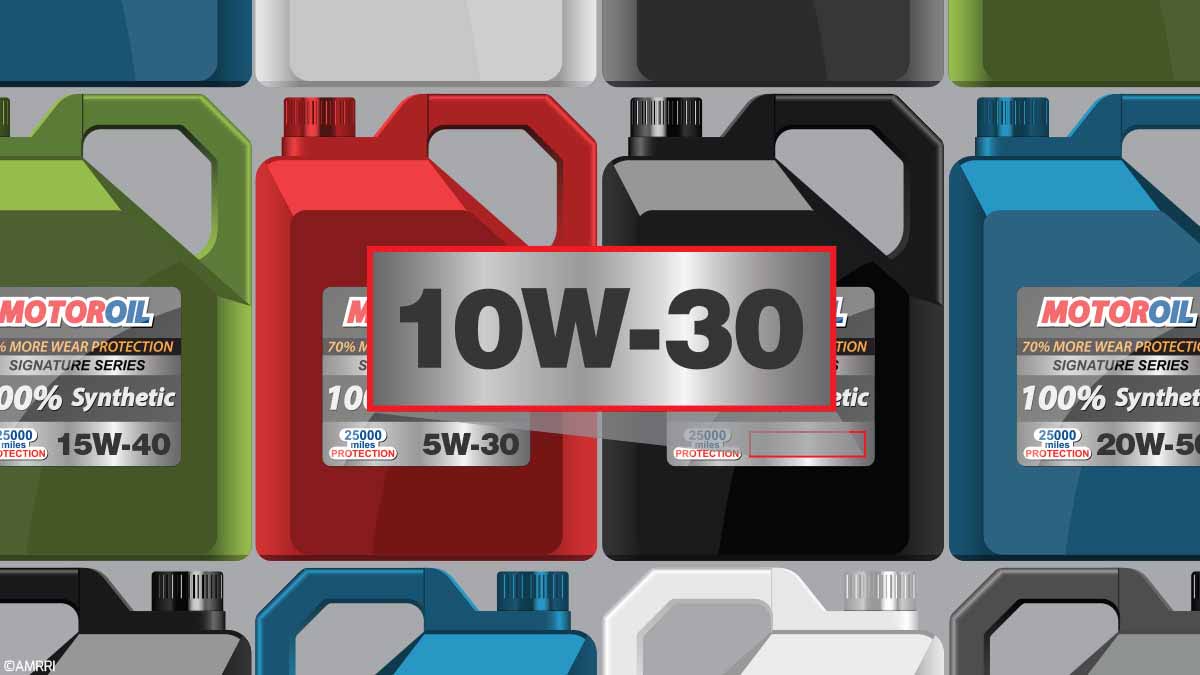
How to Read Engine Oil Labels and Choose the Right Specification
This article provides a detailed overview of the classification of engine oils in the context of two key parameters that determine their operational suitability: viscosity properties and quality standards. Classification of Engine Oils The basic criterion for...
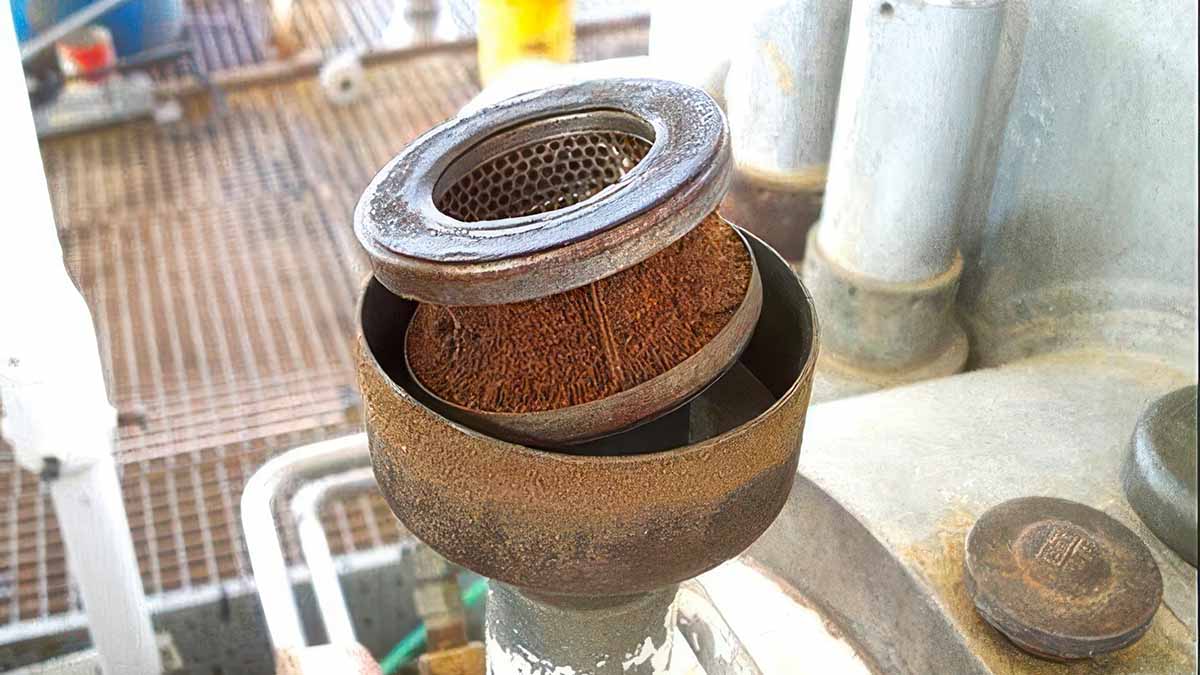
Why Air Breathers Are a Critical but Overlooked Contamination Barrier
Over the past two decades, while conducting numerous Lubrication Benchmark Assessment audits across a wide range of industries—from Oil and Gas, refineries, petrochemical plants, and power generation facilities, I have witnessed one of the most neglected areas of...
How to Set Oil Cleanliness Targets That Extend Gearbox Life
Solid Particle Cleanliness In my previous articles, I have discussed how to achieve cleanliness within gearboxes and pumps, examining the entire aspect of solid particulate contamination ingress. However, I was recently asked by an engineer following the above...