
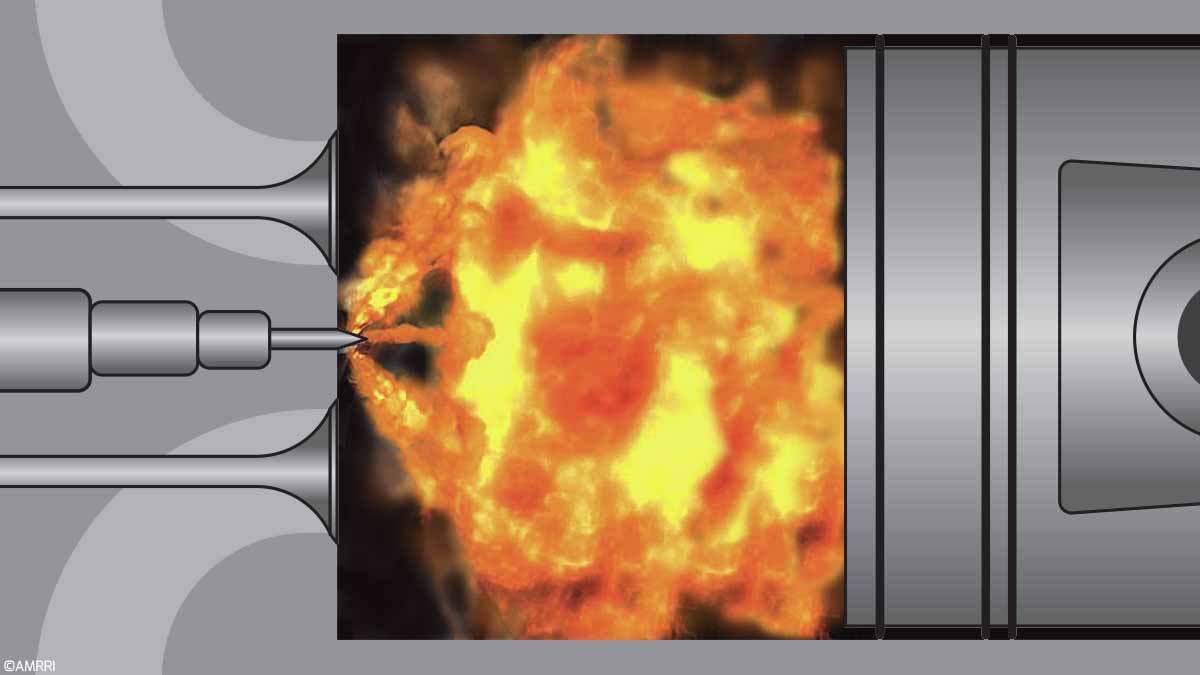
Diesel engines are the driving force powering many modern transportation and industry applications. They can be found in vehicles and machinery, from trucks to marine vessels. In the port industry, diesel engines are found in Rubber Tire Gantry (RTG), Terminal...
Articles
Food Grade Lubricants: Categories, Compliance and Challenges
A lot has already been written about food grade lubricants, so a summary of what they are is a good place to start before taking a closer look at some of the issues relating to their use and the ongoing concerns in this area. Regulation of Food Grade Lubricants...
The Dangers of High-Pressure Fluid Injection and How to Stay Safe
For professionals who work with machinery, it is vital to grasp the potential risks of fluid injection injuries. Although these incidents are rare, they are a significant concern, especially for personnel who are engaged in performing lubrication tasks. Let's simplify...
Maintaining the Shine: Sustainable Oil Transfer Container Management
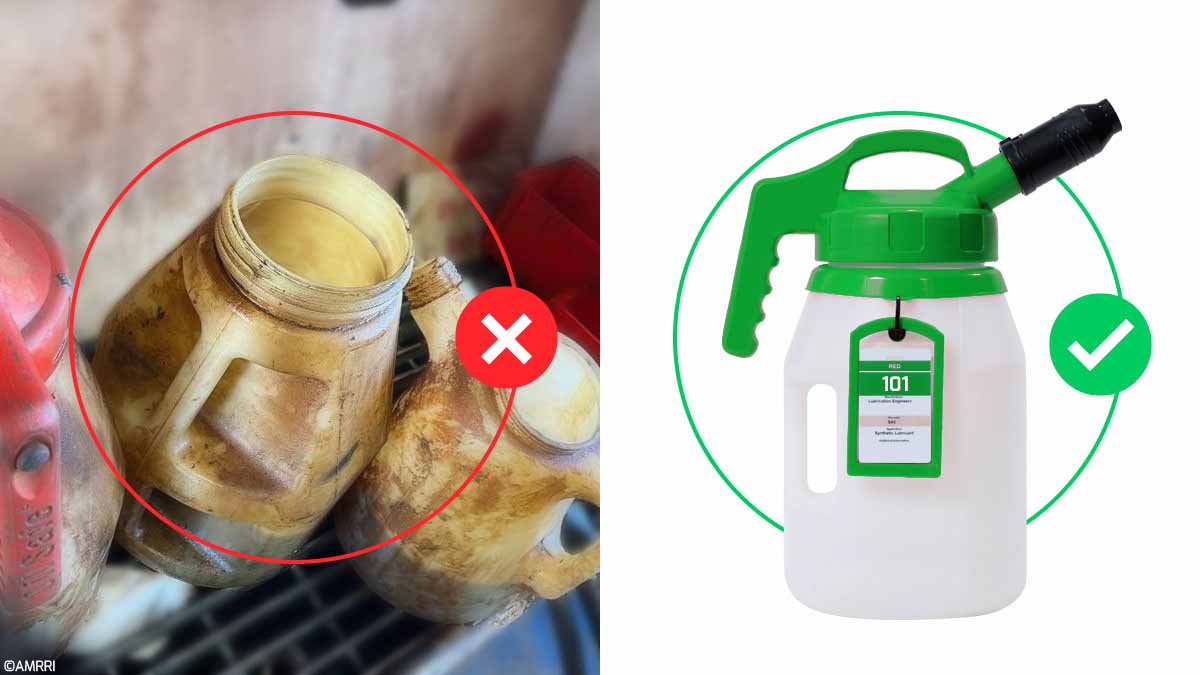
"We bought these oil transfer containers only a month ago; now look at their condition!" is a statement conveying a good intention gone wrong. Stained transfer containers were lying around, with their tops nowhere to be seen. Anyone aware of the importance of clean...
Varnish Deposits in Bearings: Causes, Consequences, and Cures
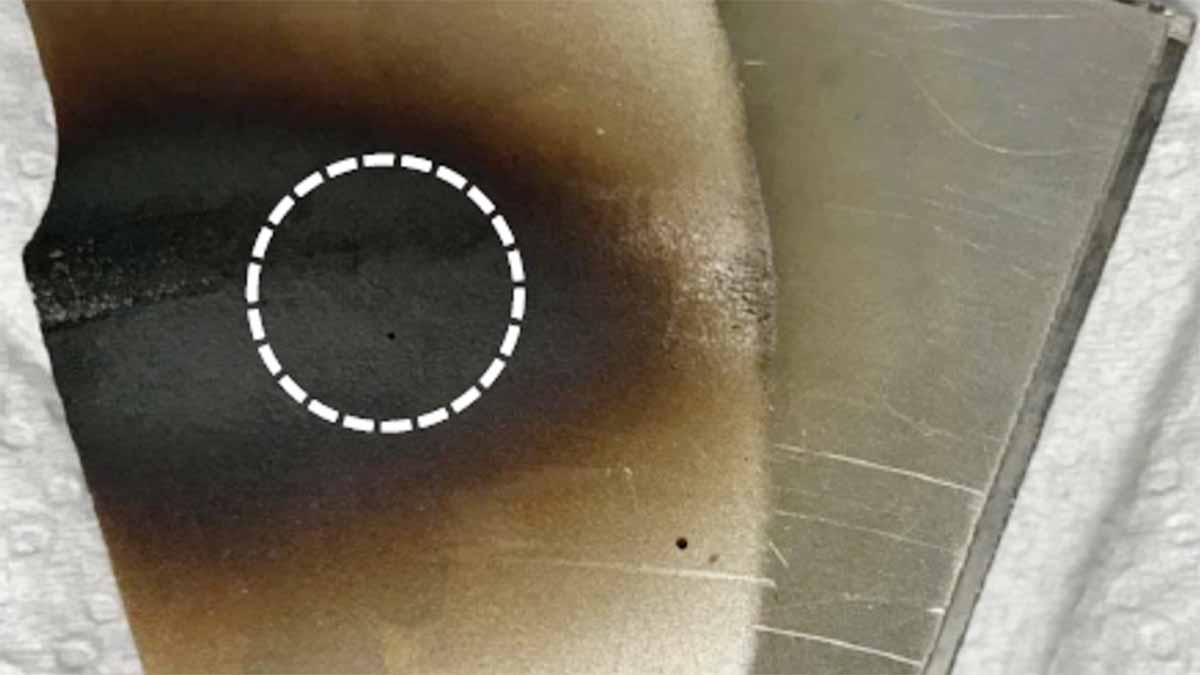
Varnish is characterized as a deposit originating from the degradation of lubricating oils. These degradation byproducts are predominantly polar compounds, exhibiting inherent instability within the non-polar phase of the lubricating oil. Due to this chemical...
Precision Spotlight with Greg Livingstone
Welcome to Precision Spotlight, our fresh Q&A series where we shine a light on industry professionals, delving into their insights and experiences in the world of lubrication. In this Precision Spotlight we interview one of our Editorial Advisory Board Members,...
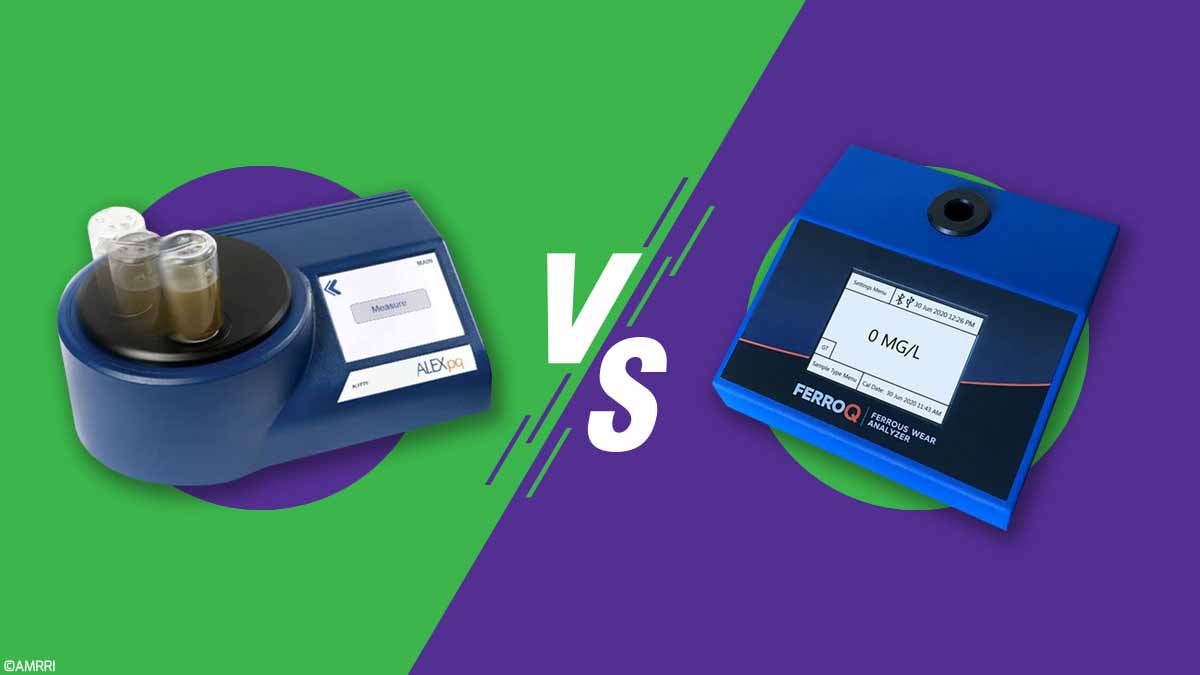
Assessing Spectroscopic Methods to Analyze Particles: PQ vs. FerroQ
Ferrous debris, put simply, refers to the metallic particles or fragments, mainly composed of iron (Fe), within a sample of lubricating oil. Prematurely identifying ferrous debris can lead to identifying wear and tear within the system – which, when left unresolved,...
The Overrated 4-Ball Test: Why It Fails in Practical Lubricant Assessment
In the intricate world of lubrication and tribology, the 4-ball test has become a core experimental procedure and is commonly listed as a performance parameter on lubricant and grease data sheets. These tests are designed to measure friction and a lubricant's wear...
How Efficient is Your Oil Filter?
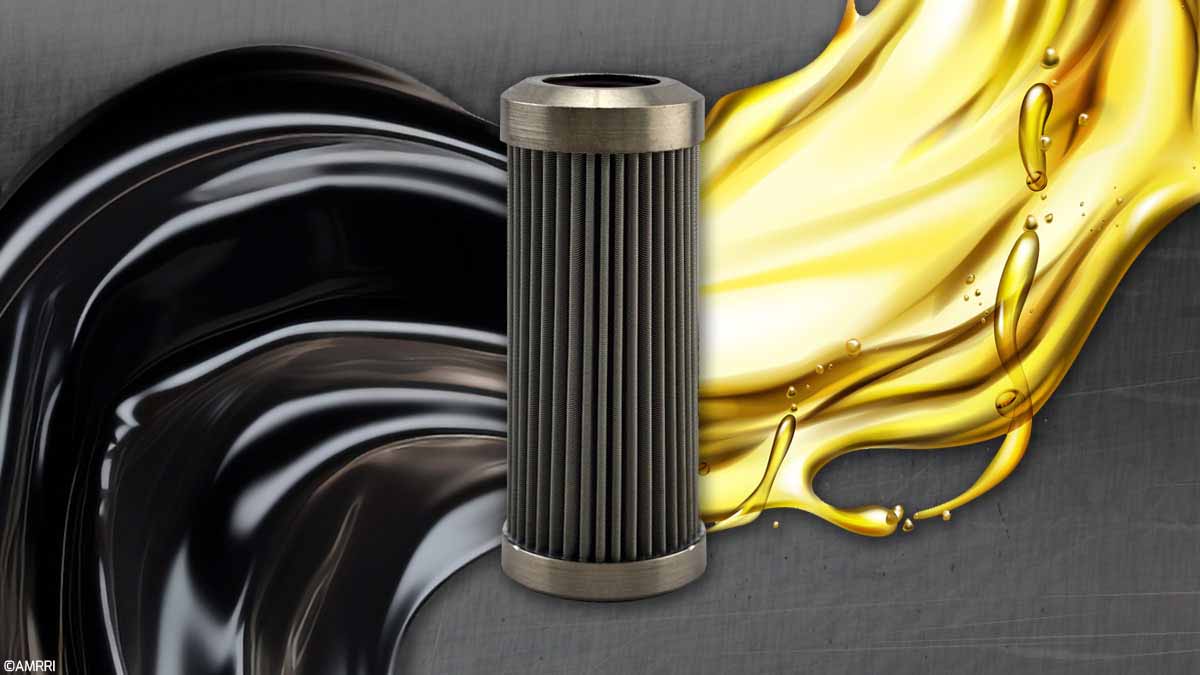
It has long been known that contamination is the leading cause of failure in rotating and reciprocating equipment. For this reason, most circulating oil systems contain some form of filtration on the supply line and occasionally, in the case of hydraulics, on the...
Improve The Reliability of Hydraulic Systems for Just Pennies A Day
Despite their complexity, hydraulic systems are forgiving in nature. In most cases, they can perform well for a long time before any significant or catastrophic failure occurs. Unfortunately, this "creep to failure" quality can promote apathy in production and...