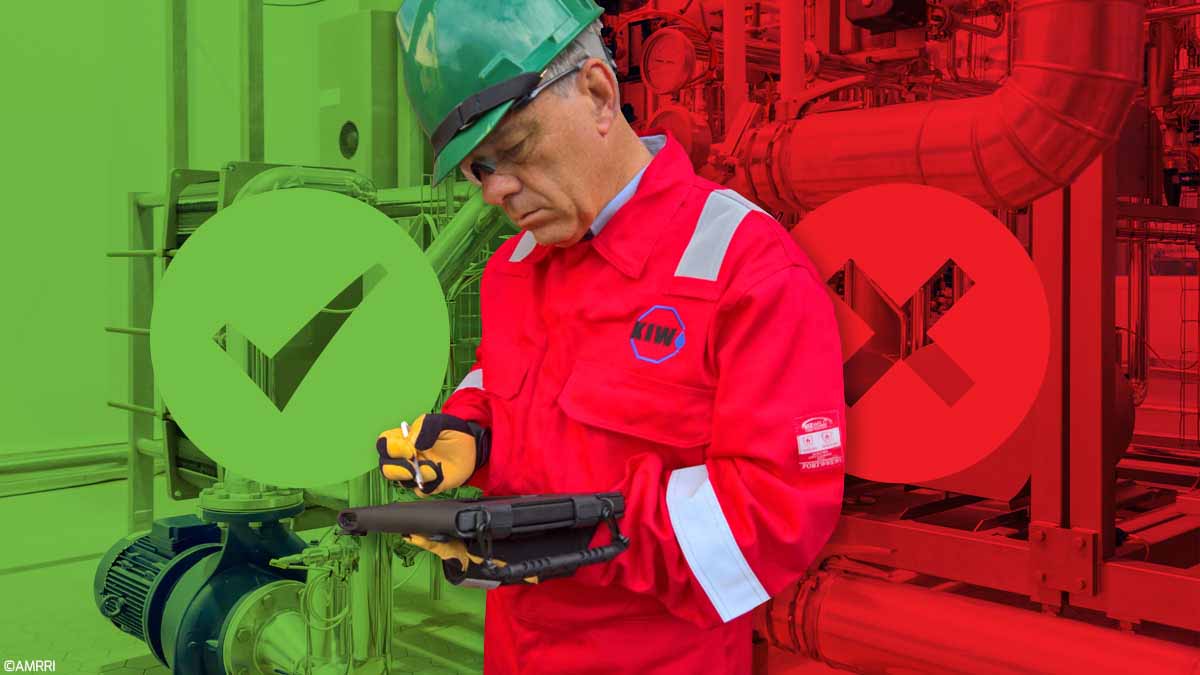

Have you ever wondered how a launched-from-scratch vibration program can require investment ranging into the mid-six figures, pull the most talented and skilled repairmen, and disrupt other condition-based agendas? I used to wonder. The answer boils down to the most...
Articles
The Case for a Detailed and Structured Lubrication Plan
Proper lubrication of equipment, machinery, and devices is essential to ensure mechanical systems' smooth operation and longevity. This process must be based on rigorous procedures, precise calculations, and various crucial factors to determine the correct amount of...
Contract Lubrication Services: Pros and Cons
Lubrication Management – A Necessary Evil? Lubrication tasks are essential to maintaining assets within any facility, regardless of industry. That means personnel are required to undertake these tasks. Traditionally, companies employed an individual or even a team of...
Optimizing Alarm Limits to Combat Alarm Fatigue in Oil Analysis Programs
Examining oil analysis programs – both off-site and onsite programs across various industries- it is observed frequently that oil analysis abnormal alarm observations and recommendations are not being acted upon promptly. The ability of reliability teams to ignore the...
Viscosity Index Improvers Explained
What are Viscosity Index Improvers? Viscosity Index Improvers (VIIs) are additives that help maintain the viscosity of lubricating oils across a wide temperature range, ensuring consistent performance. This article will explore the nature of viscosity index improvers...
Ensuring Reliable Motor Performance: A Guide to Precision Maintenance
In the most basic of terms, an electric motor is a simple device that converts electrical energy into rotary motion that, when transmitted to a driven load, will perform mechanical work. If applied correctly, the motor will run effortlessly. If set up correctly, the...
From Grease Guns to Hydraulics: Understanding Pressurized Fluid Hazards
Safety in the workplace is paramount. Few people would disagree with this statement, especially working professionals in the maintenance and lubrication fields, who are primarily well-trained in this area. When it comes to handling and transferring chemicals and...
Kinematic vs Dynamic Viscosity: What’s the Difference?
It is often stated that viscosity is the most important property of a lubricant, and with good reason. Film thickness—the separation between moving machine surfaces—is primarily dictated by the lubricant's viscosity under operating loads, speeds, and temperatures. For...
Why Grease Analysis is Essential for Predictive Maintenance Success
Grease has been used since ancient times, and new technologies and equipment design require us to improve our understanding and perception of it. These advancements enable those working with grease to recognize better its impact, effective properties, and the proper...
AMRRI and Services to Engineering Announce Strategic Partnership for Chile
AMRRI, a leader in precision lubrication solutions, and Services to Engineering (S2E), are pleased to announce a strategic partnership aimed at enhancing equipment reliability and operational efficiency across industries in Chile. This collaboration grants S2E rights...